Yumi Sekine

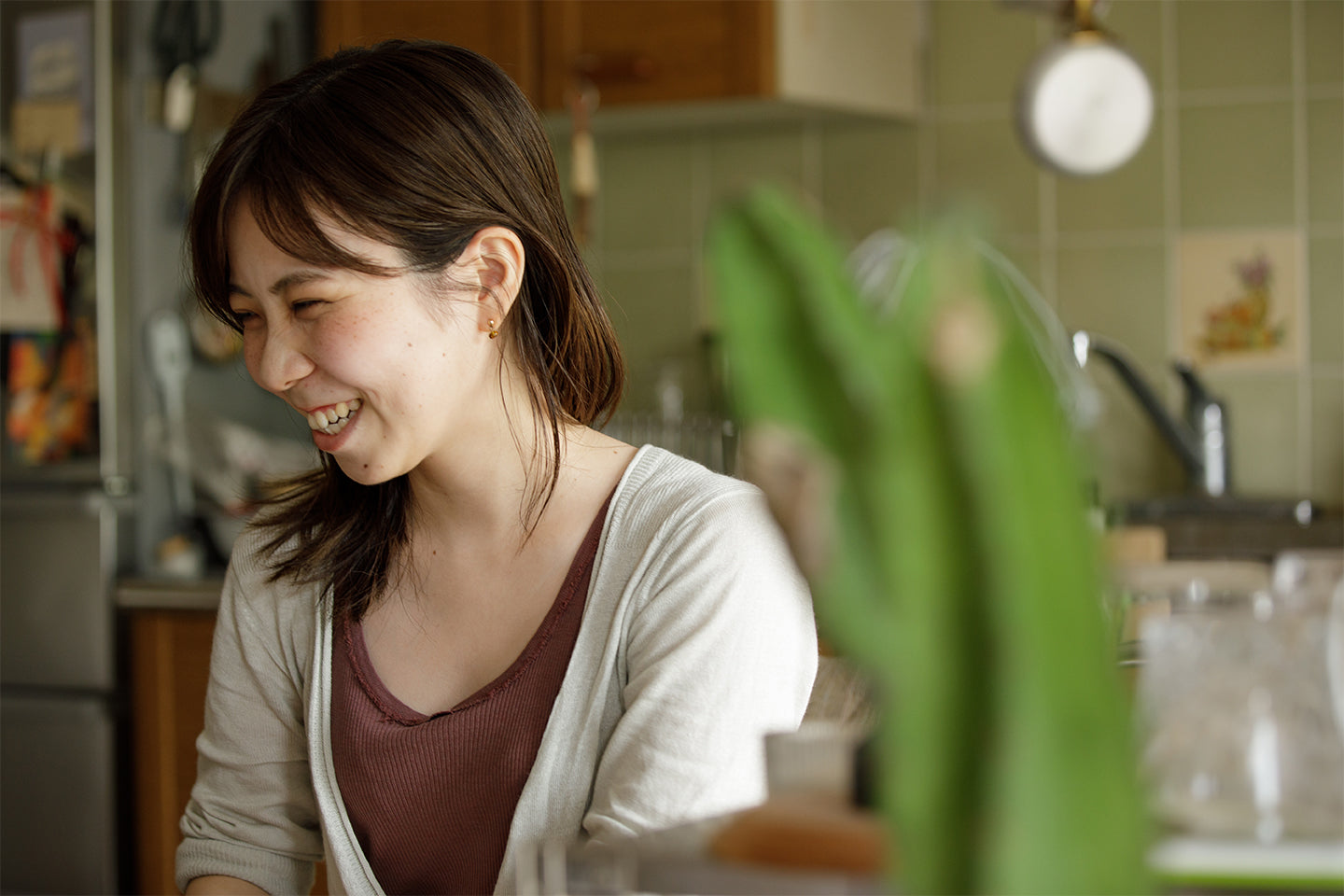
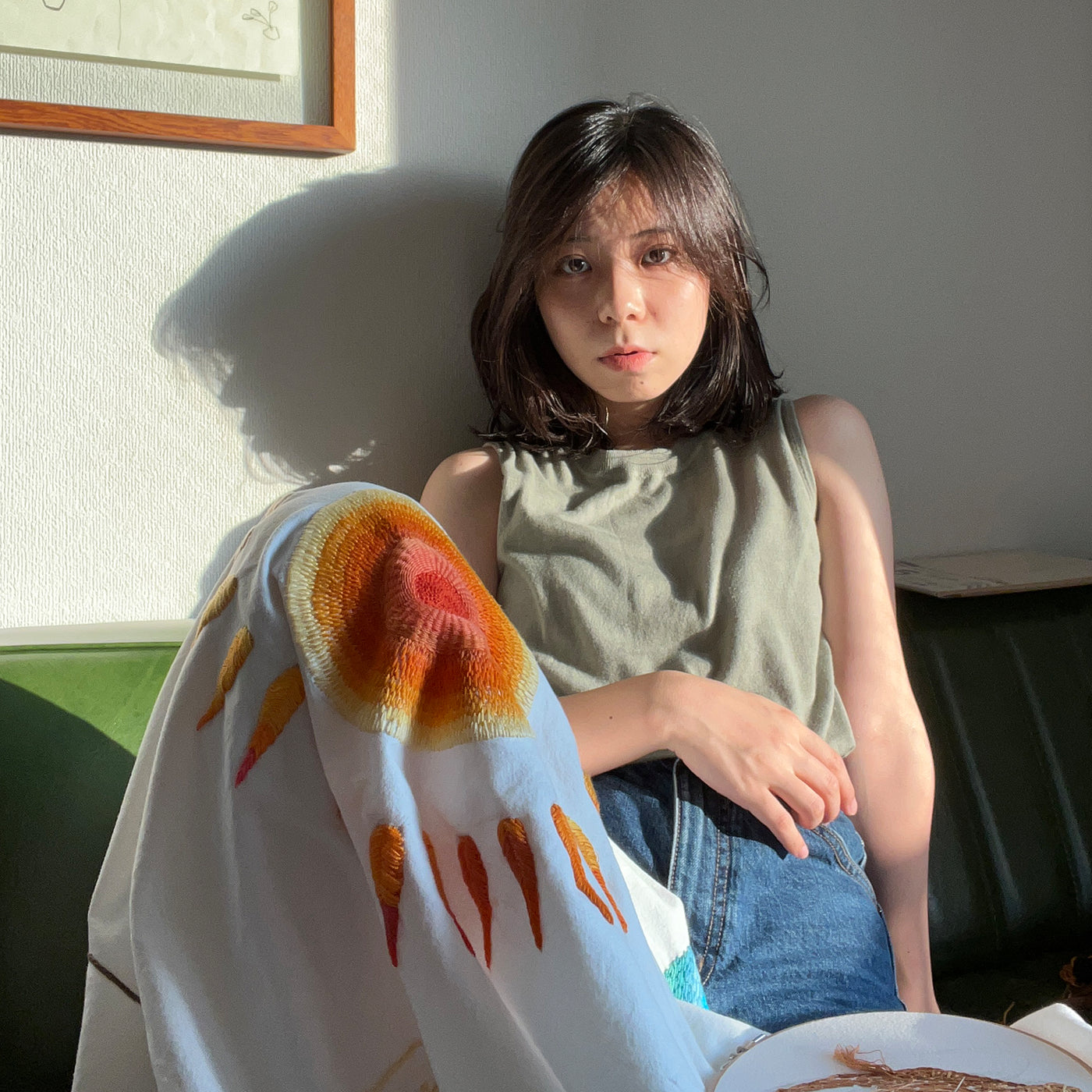
While creating her work as a poet, Yumi Sekine also shares her creative process through YouTube and other platforms.
We spoke with her about how she captures words that emerge from everyday moments, and the role of the MD Notebook Diary in giving form to the expressions and ideas in her mind.
Could you tell us about the work you are currently engaged in and what inspired you to begin?
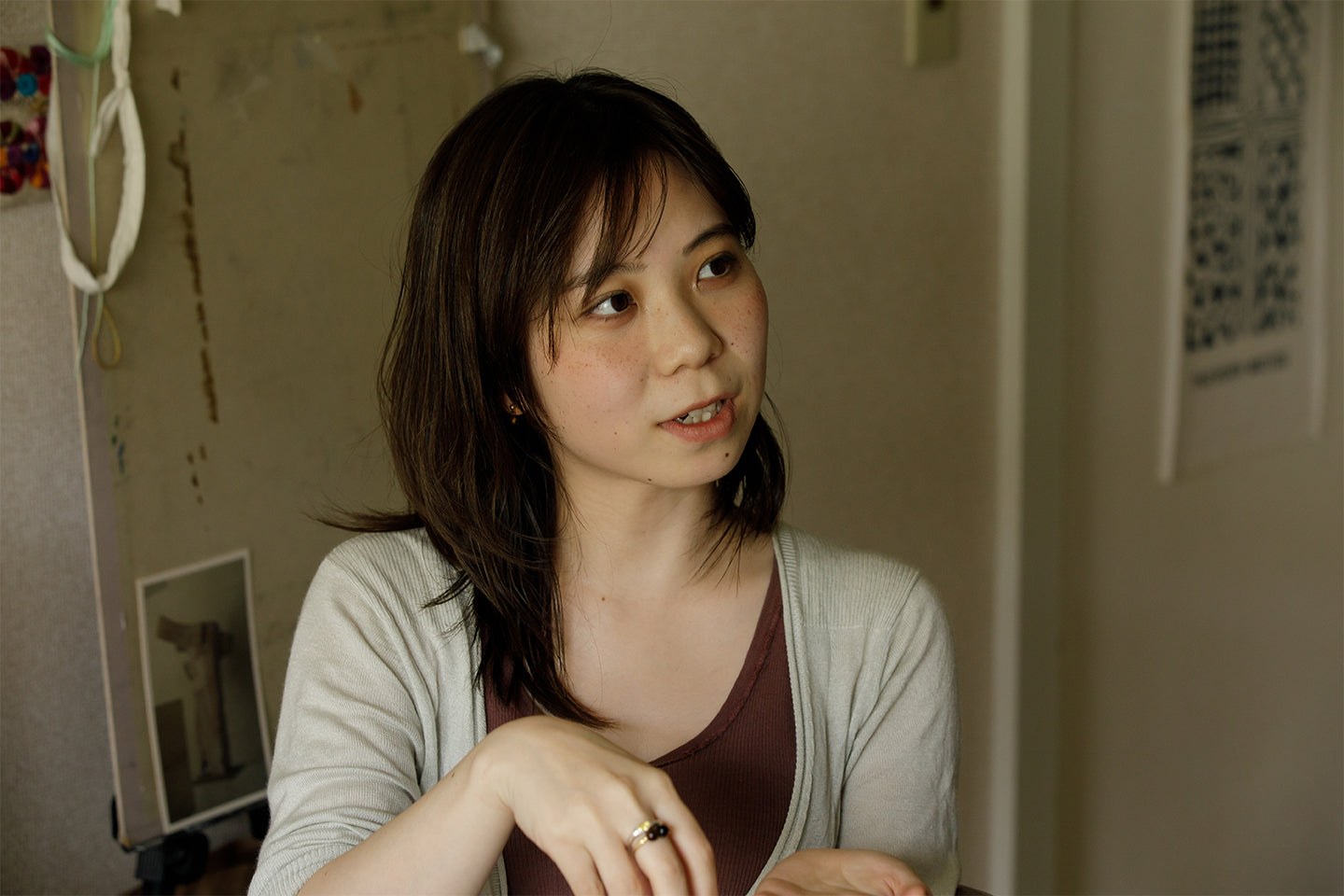
I am a poet and a painter, and I also share my creative process and the things I think about each day through YouTube. I started writing poetry when I was a sophomore in high school. I attended an art-focused high school, and as part of our graduation exhibition, I presented my poetry as an installation. That experience was what first made me seriously consider poetry as a form of artistic expression.
At the time, I thought of poetry as something belonging to the world of literature and letters, and therefore somewhat distant from me as someone working in the arts. I think I had convinced myself that creating my own poetry collection was simply beyond me.
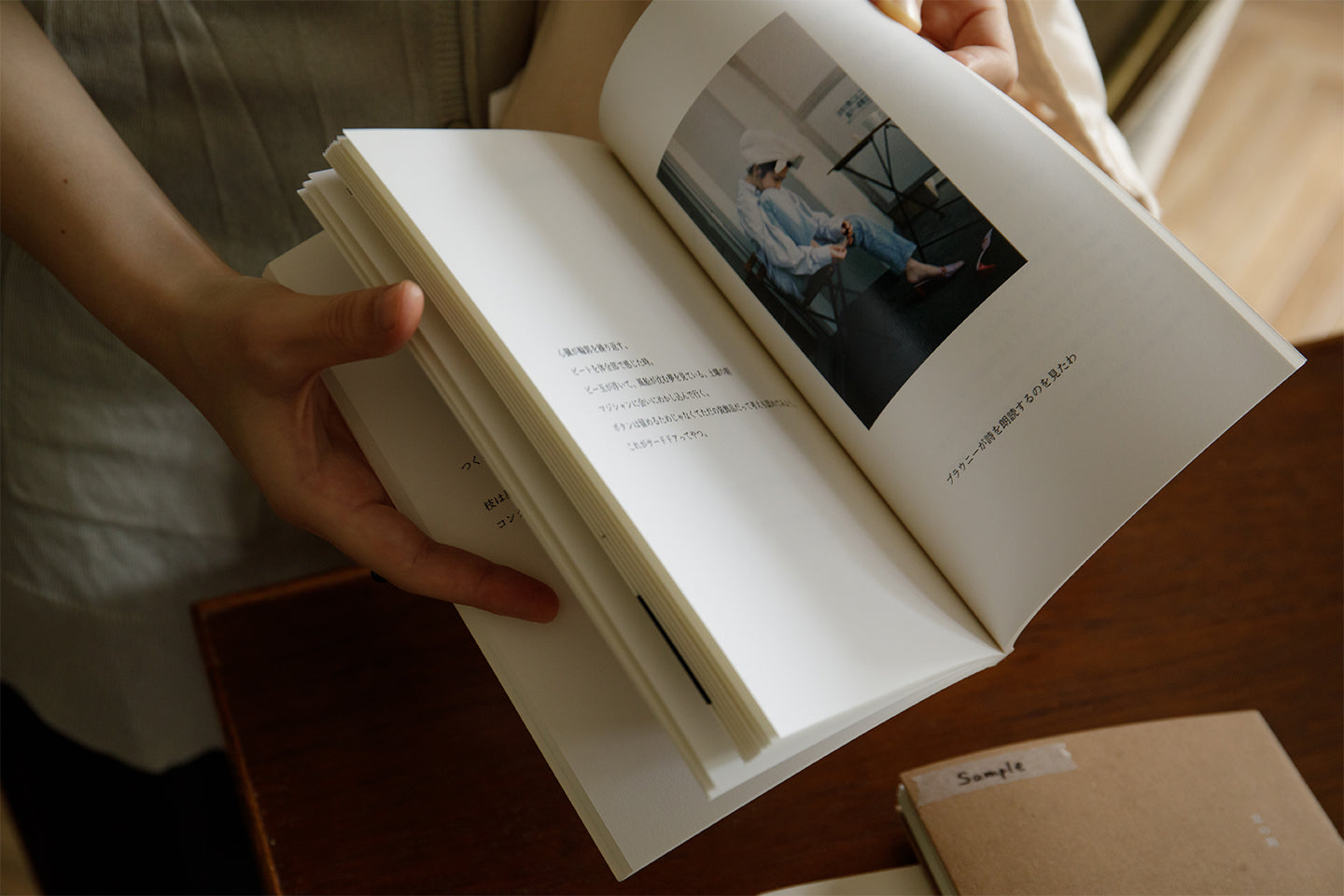
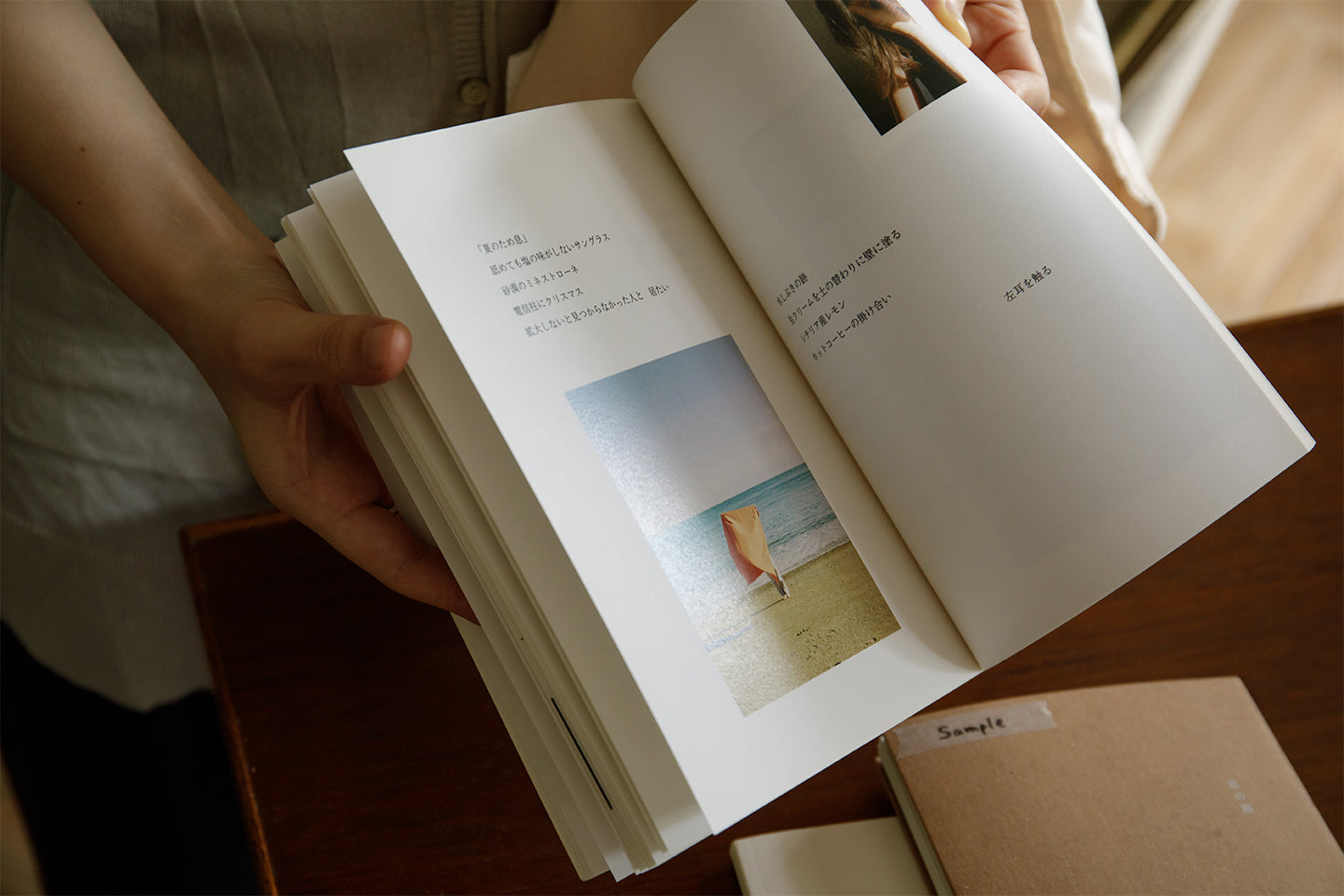
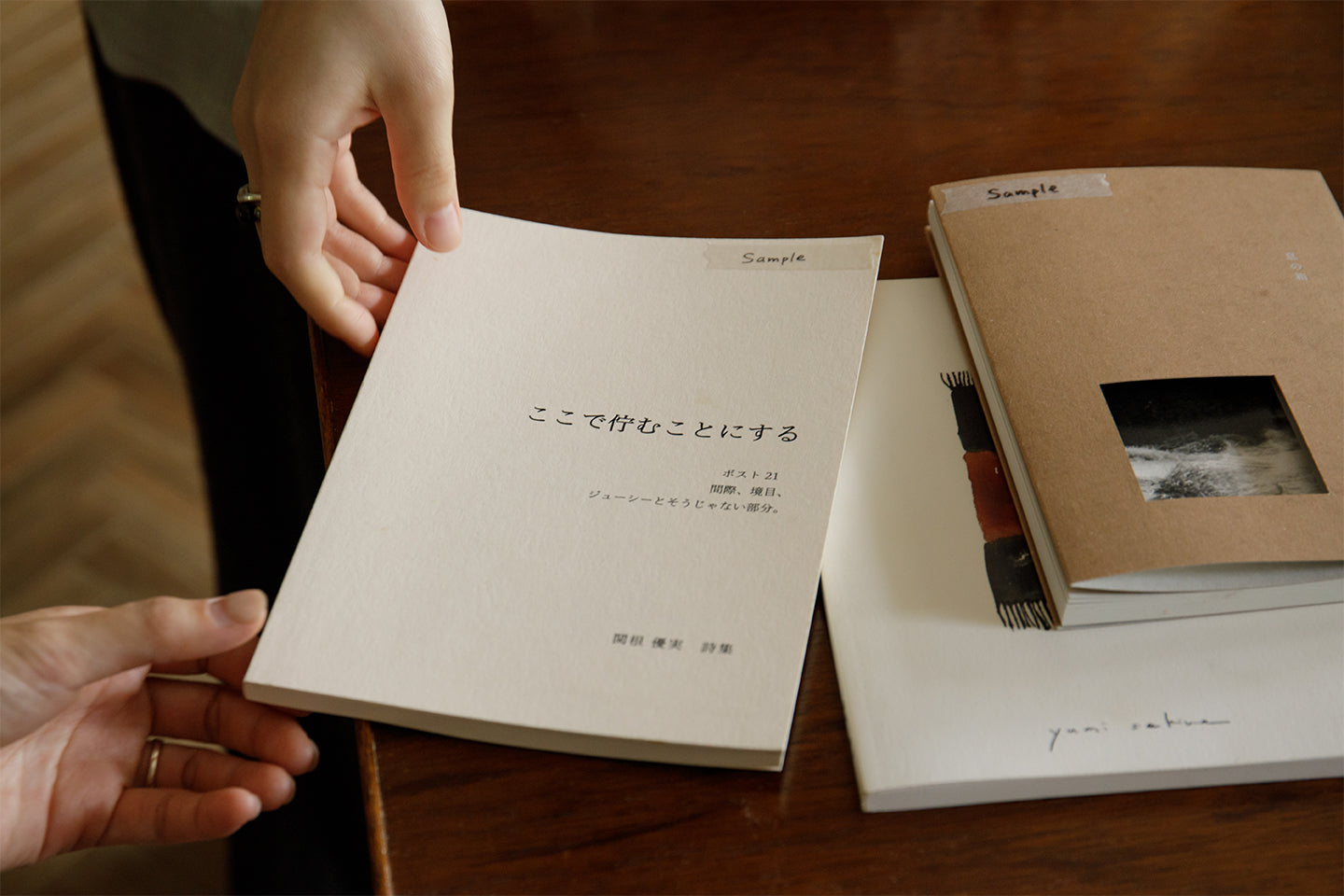
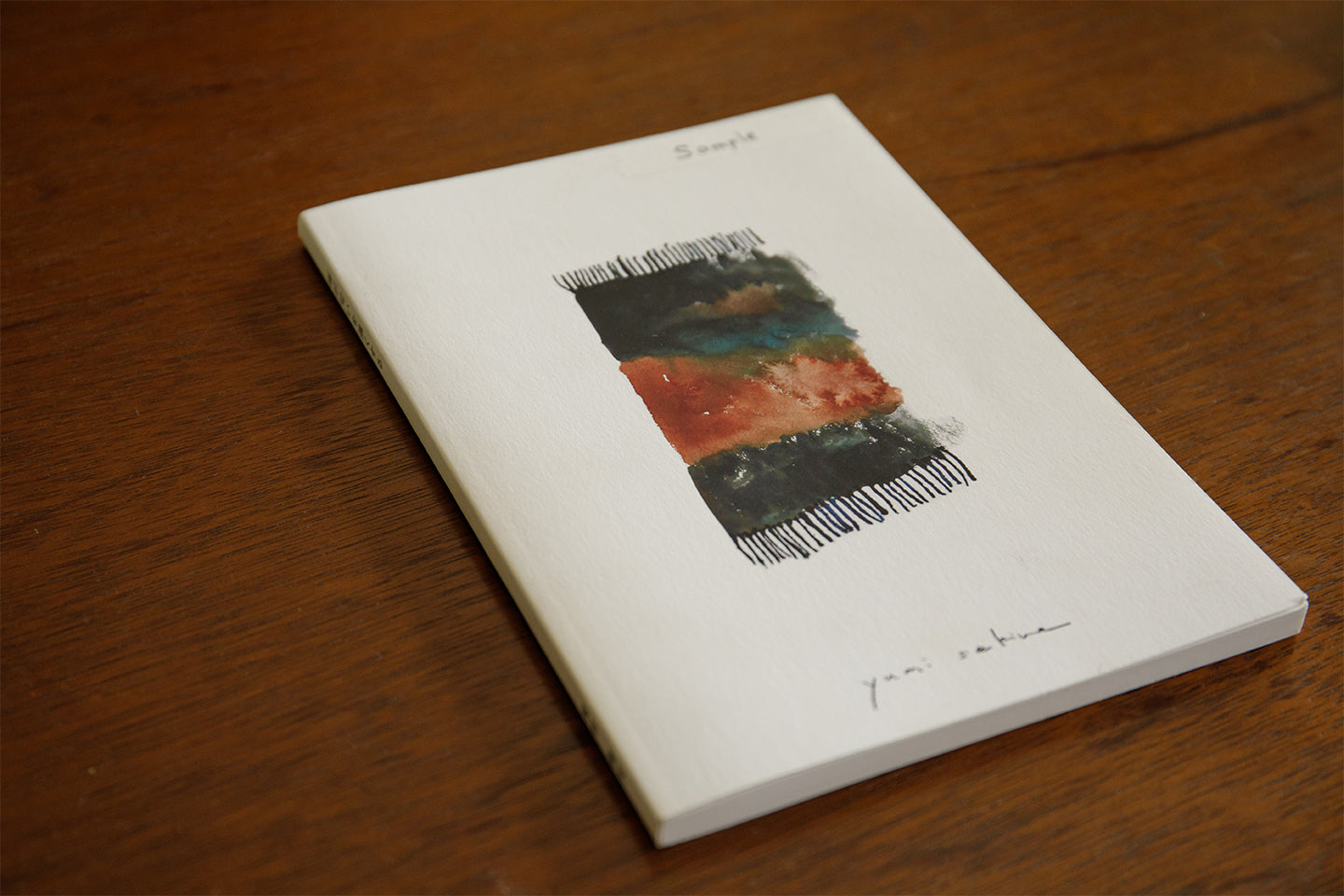
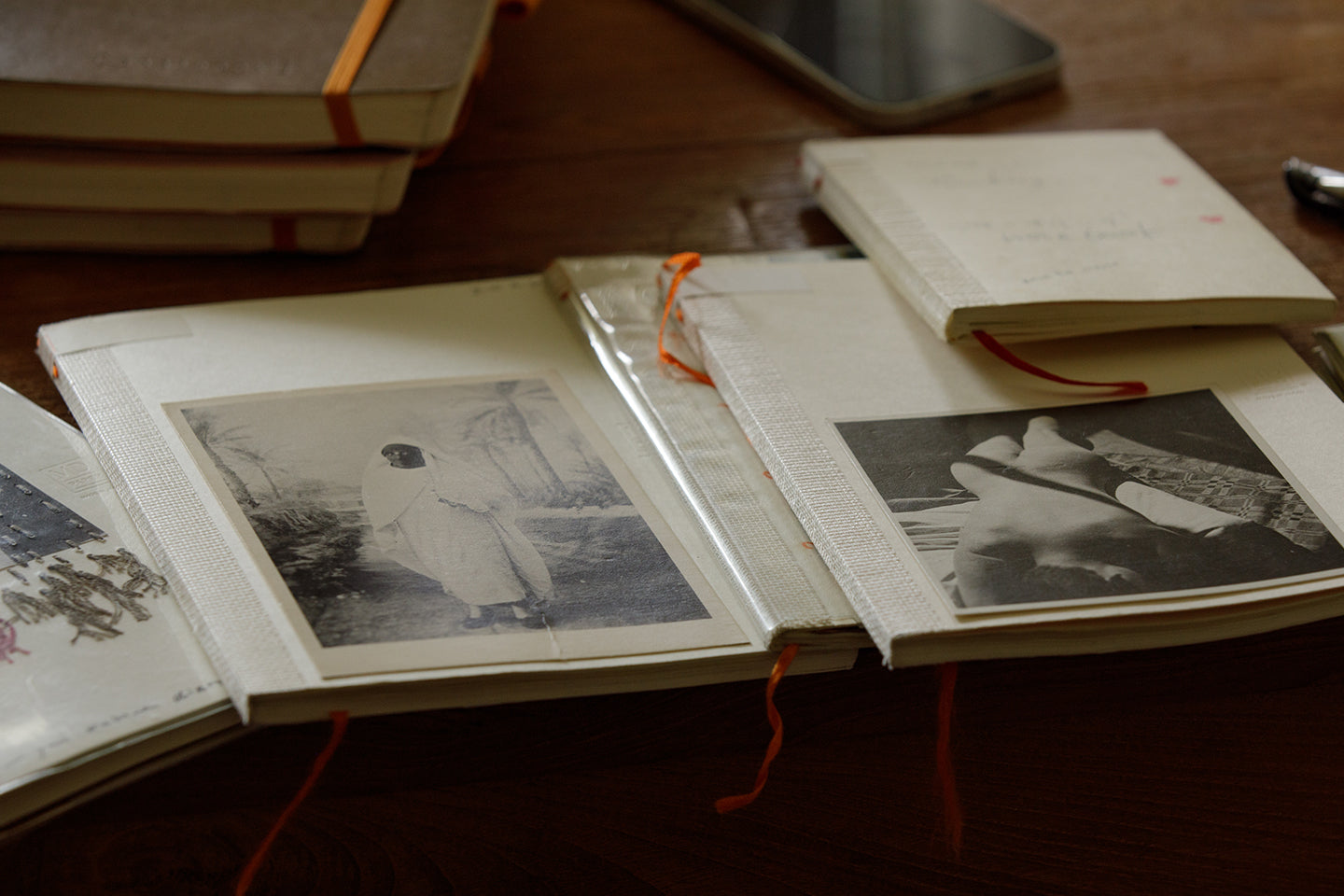
But at some point, I began to think, “If I make my own poetry collection, no one is going to judge me for it. I can be free to make it however I want.” At 21, I self-published my first poetry collection, Koko de Tatazumu Koto ni Suru, accompanied by photographs and paintings. That was when my creative work as an artist truly began.
What do you value most when creating your work?
My poetry is very free. To put it in extreme terms, I think even three words placed next to each other can be called a poem if the person who wrote them feels that way. It is that flexible.
What I do value, however, is the rhythm and sense of dissonance when a poem is read aloud. I want the words to allow you to breathe naturally and comfortably as you read them. At the same time, while they should slip into the body as easily as food in your mouth, I don't want them to disappear without a trace. I try to leave behind a subtle sense of intrigue—a feeling that makes you wonder, “What was that?”—within the sounds of the words.
I don't sit down at my desk with the intention of writing something. When I wake up in the morning, make coffee, and spend time in my room, words or images that I don't want to forget suddenly come to me. Fragments—words, scents, silhouettes—come rushing in like fleeting images, and I jot them down so I don't lose them. Words are easily forgotten, so it's almost like capturing them in the moment they appear.
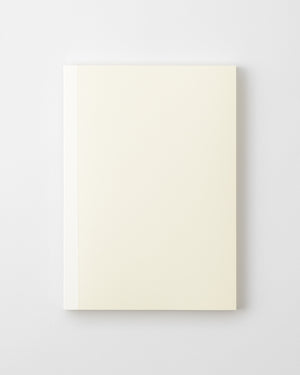
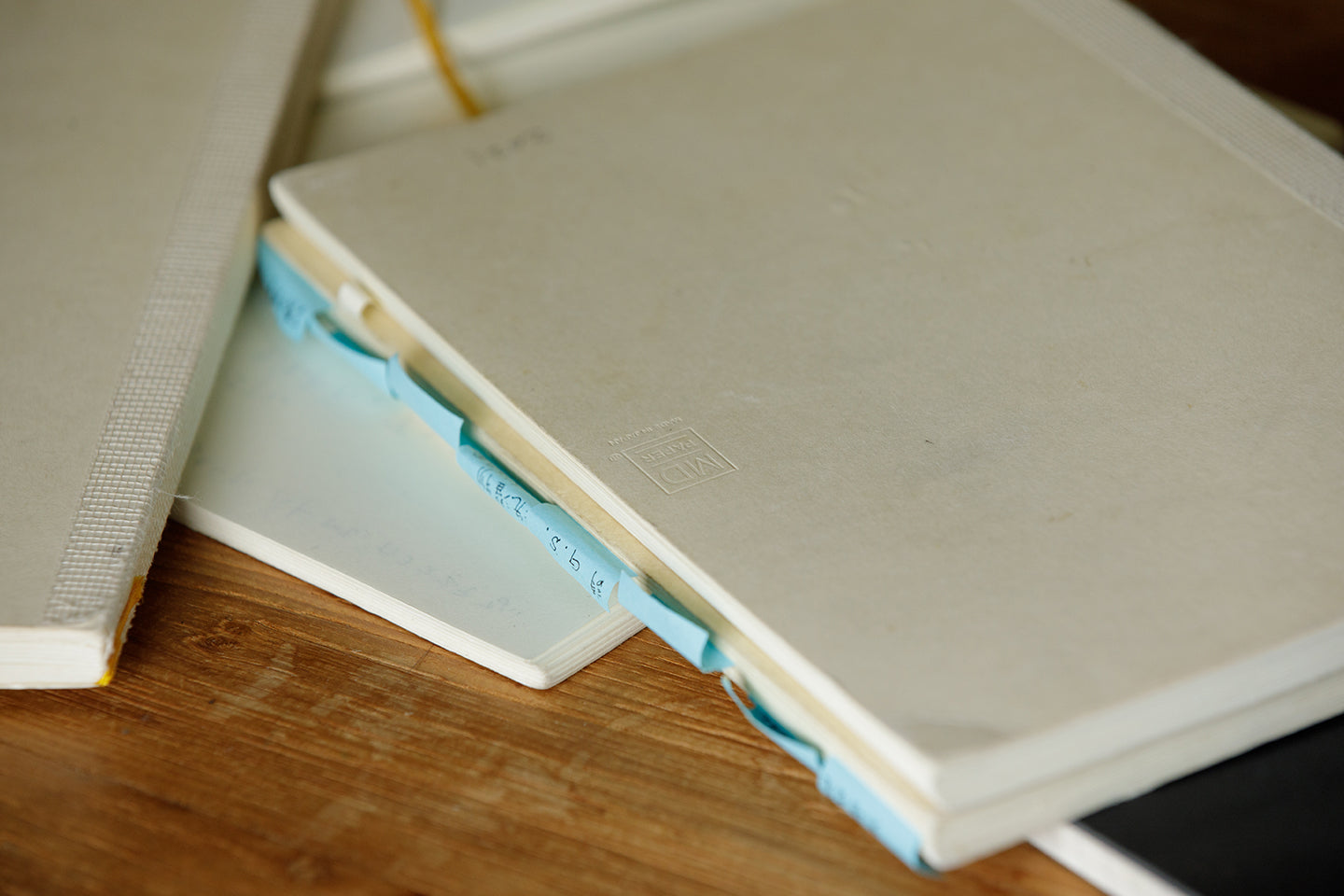
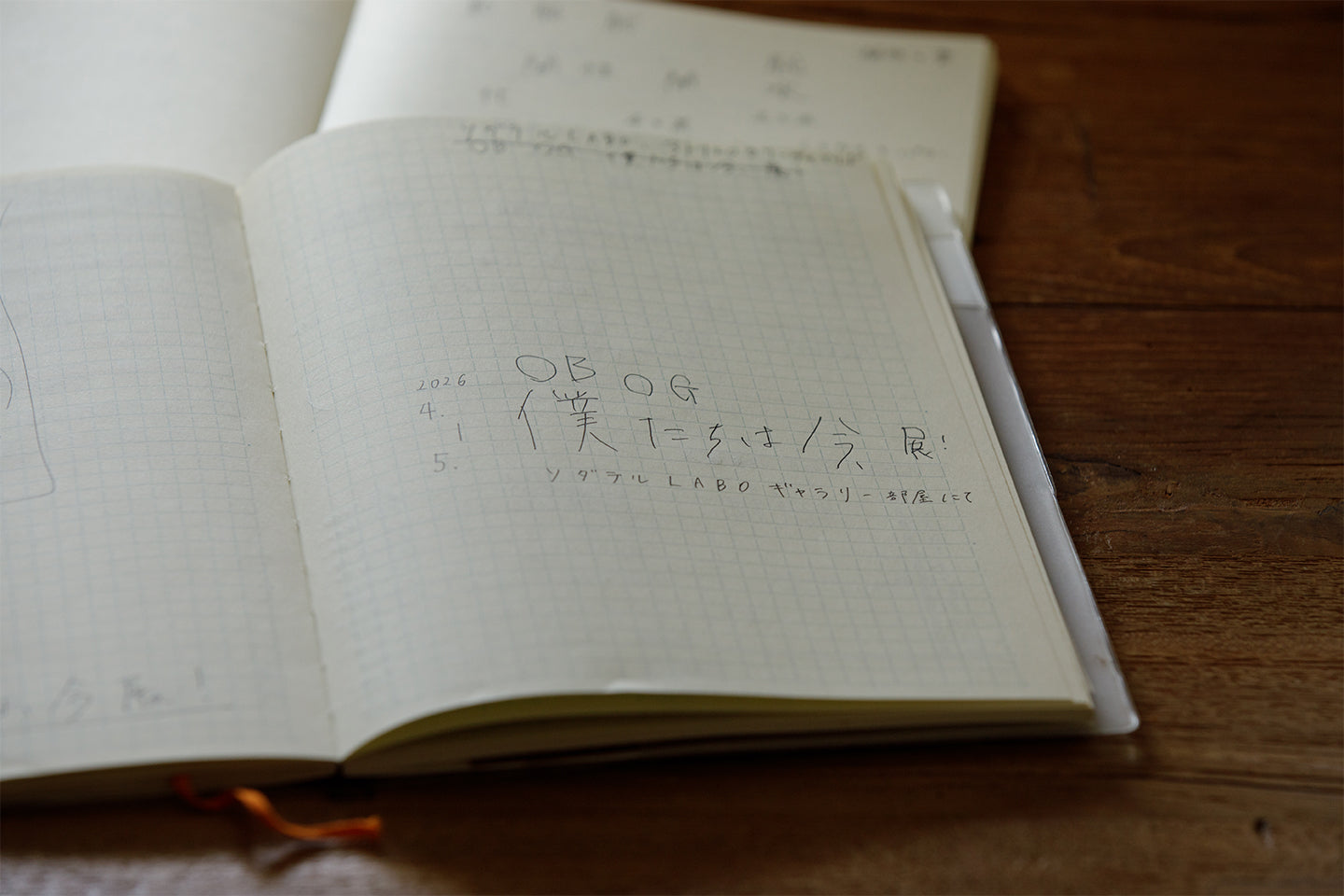
I use an MD Notebook (A5 size, Blank) to capture these ideas. I first scribble down the words that come to me, then later type them up on my computer. Looking at them objectively on the screen, I make adjustments and refine the words. For me, creating poetry feels almost like cooking or making a collage.
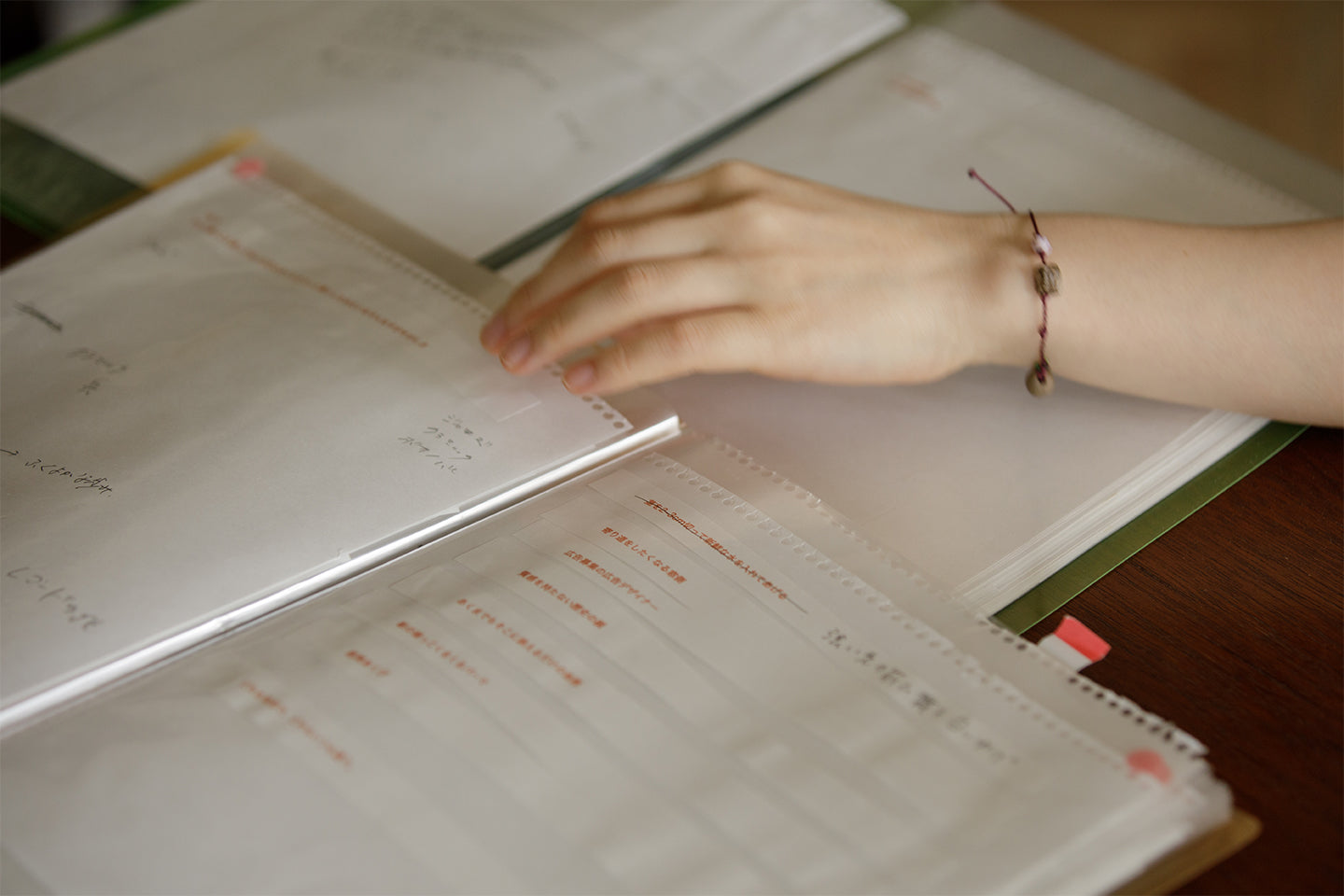
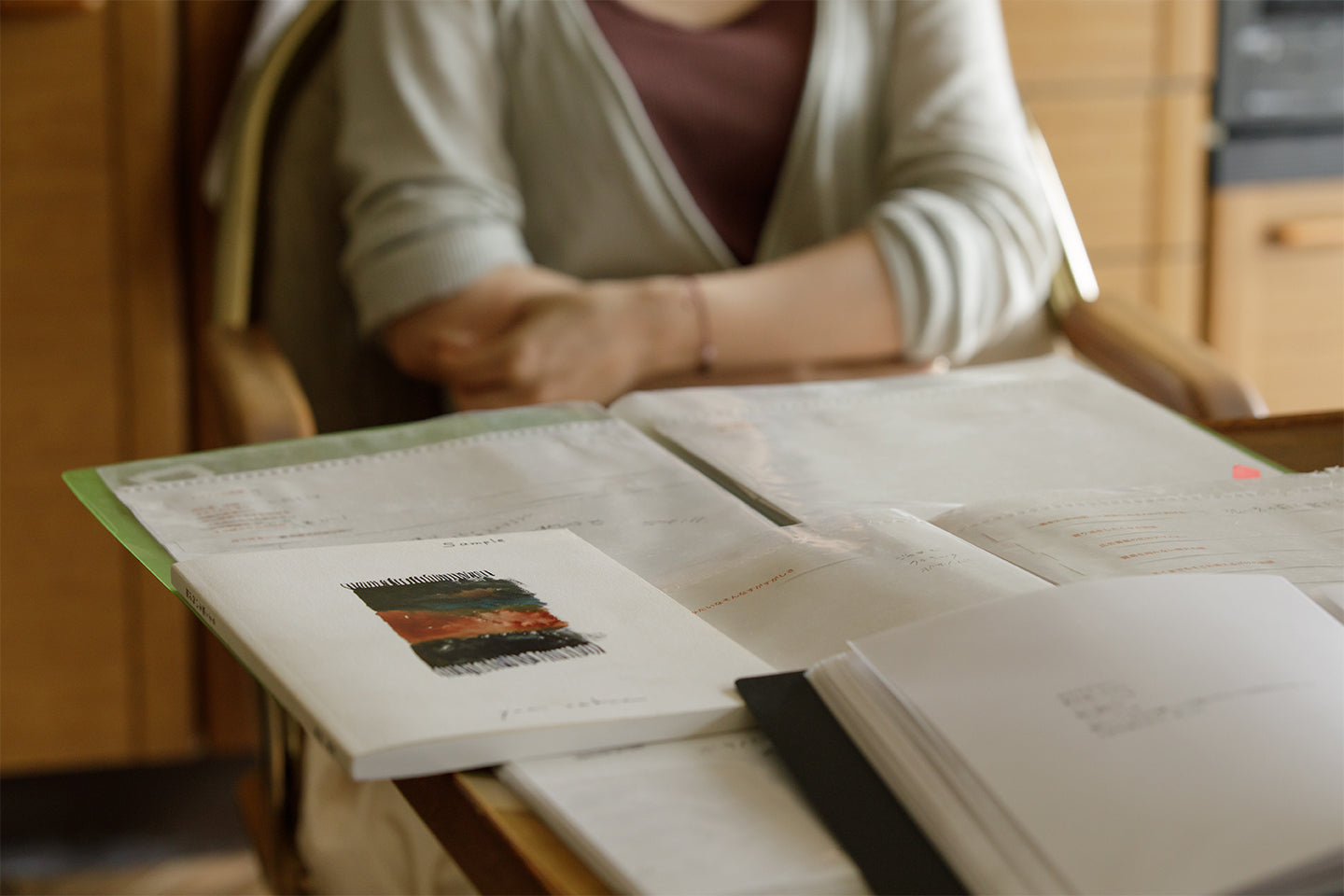
Recently, my perspective on my own creative work has also begun to change. In the past, “expressing myself” felt like a one-way arrow. But as I have connected with people who see my work through YouTube and other platforms, I have come to feel that perhaps my expression can give someone courage or even help them through a difficult time.
I don't consider myself a “true artist” who becomes so absorbed in creating that I forget to eat or sleep. Perhaps that is precisely why I want to share not only the finished work and the results, but also the “everyday life” and “process” that lead to them. By sharing the process of someone quietly living and creating in this room, I would be happy if I could gently encourage someone who is thinking about creating something of their own to take that first step.
What does journaling in a planner or notebook mean to you?
In a word, I think of it as “having a dialogue with yourself.”
When I was young, I tended to think of words mainly as a way to communicate clearly with others. At the same time, however, I feel that drawing was the first form of journaling I discovered—a way of having a dialogue with myself.
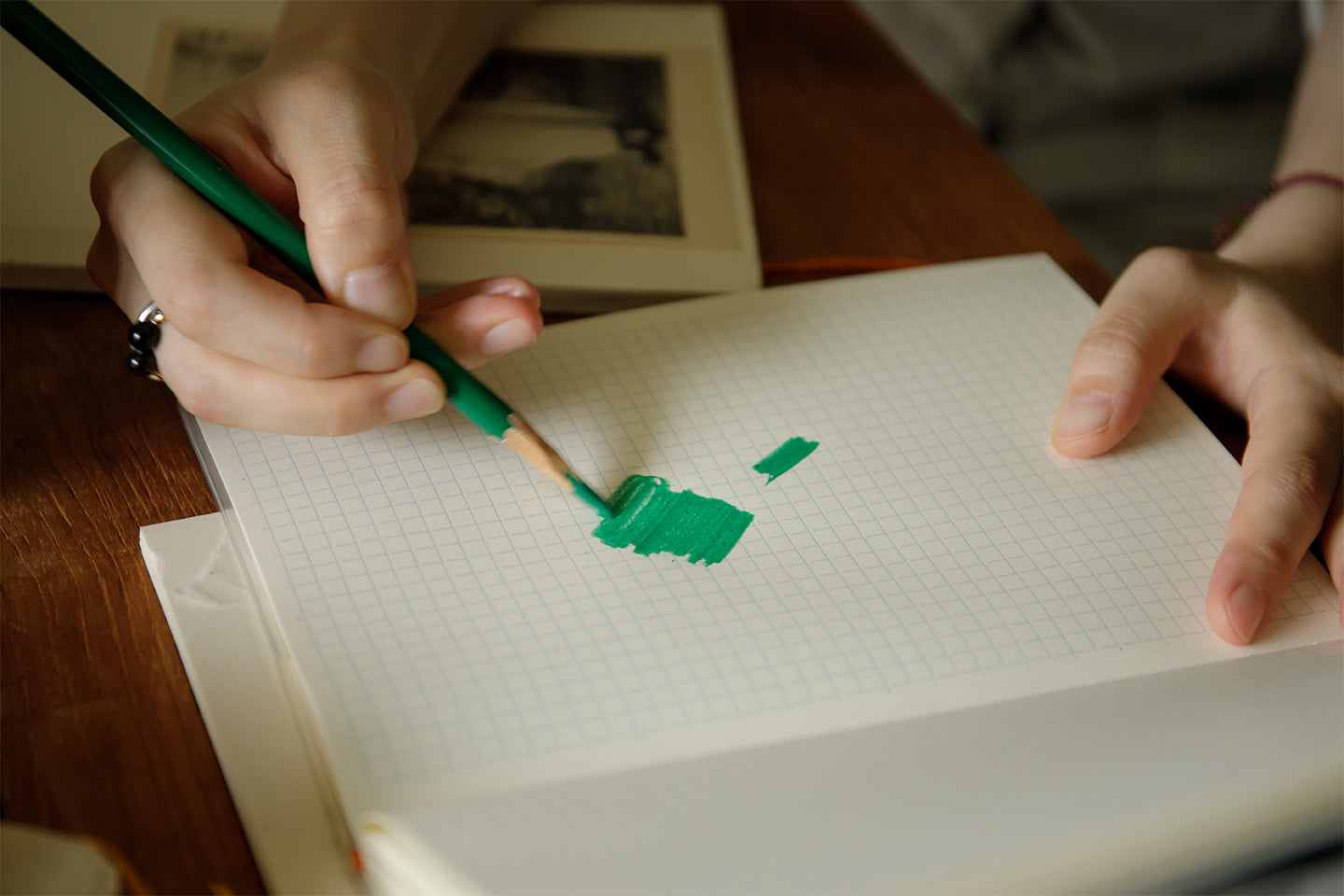
Thinking, “I’ll try using yellow here,” or “I’ll draw a circle,” is something you can only do when you take the time to look closely at what is going on inside your mind and how you feel. Just as we choose what to wear each day or which cup to drink our coffee from, we are constantly having conversations with ourselves through the choices we make in everyday life. As an extension of this kind of expression, I began writing down feelings and thoughts that I didn’t want to forget.
For me, there is no clear boundary between everyday life and making things. Everything exists on a continuous spectrum. That is why I don’t clearly separate journaling from making art, either. Sometimes a thought I jot down in my notebook becomes a poem in itself, while at other times, drawing helps me organize my thoughts to the point where I no longer need to journal.
However, when I am dealing with feelings that I cannot fully sort out through drawing alone—such as realizations or uncertainties that arise in my relationships with other people—I find writing in a notebook to be a very effective form of journaling.
How do you use your MD Notebook Diary?
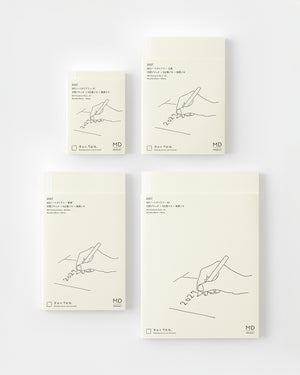
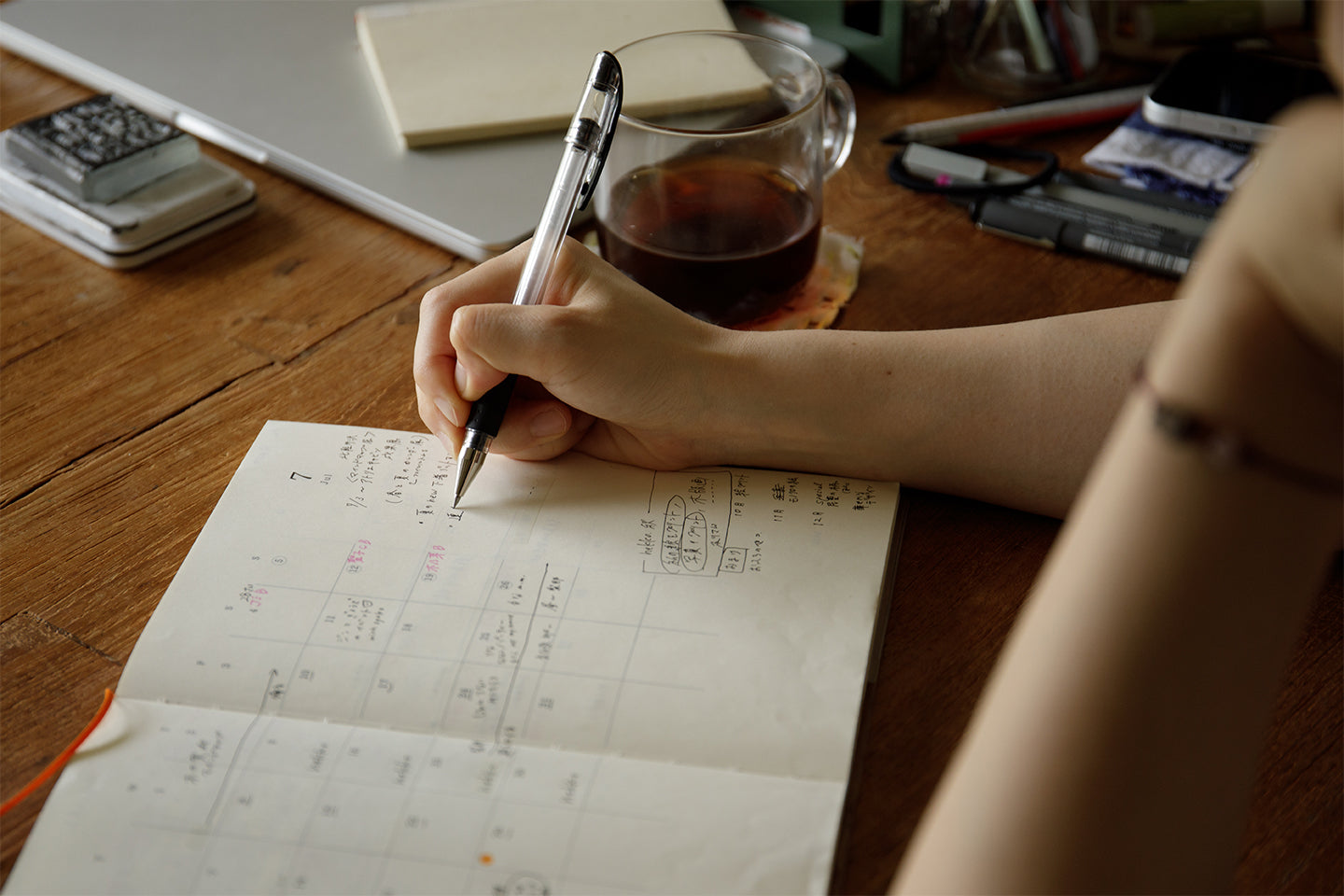
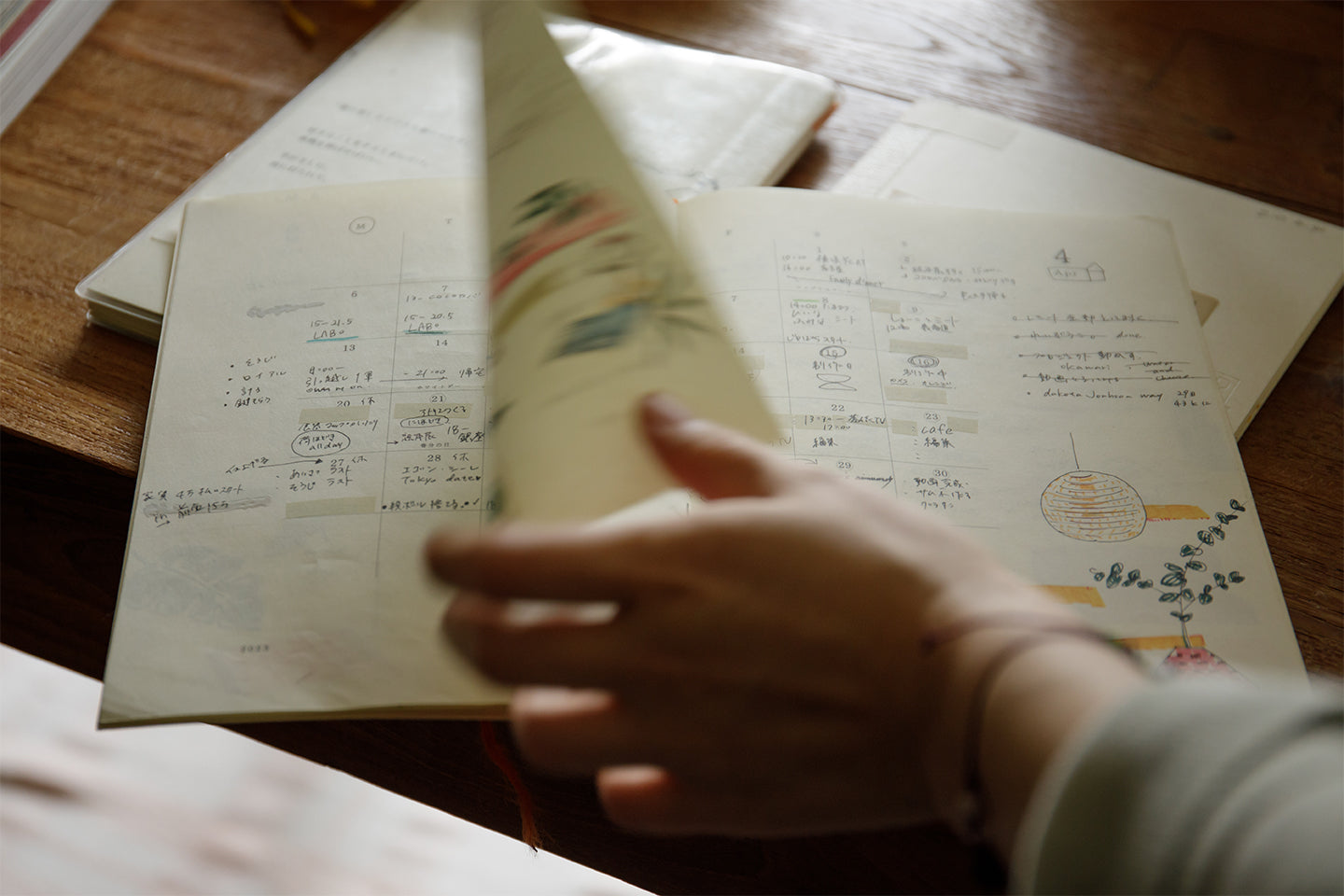
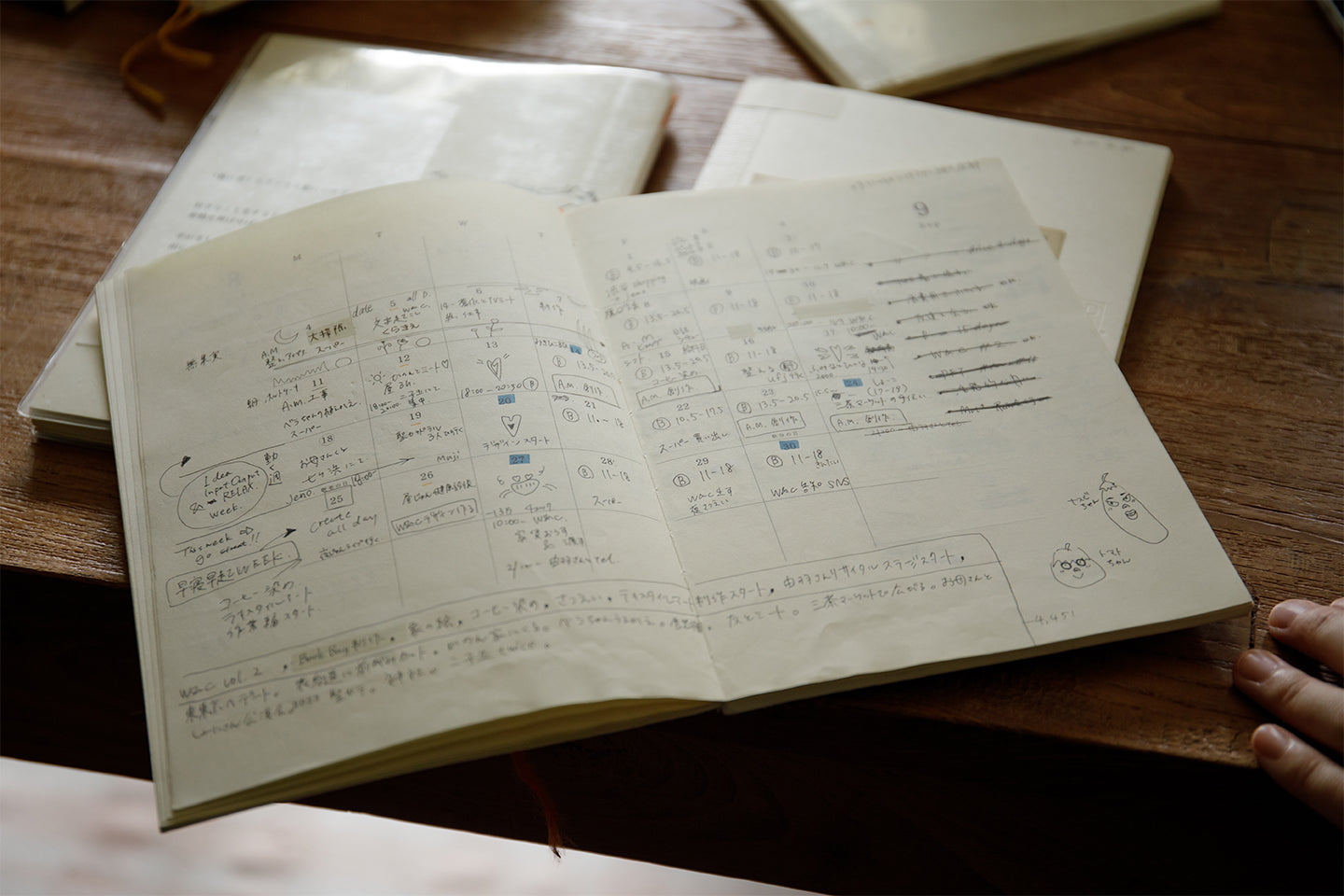
I always carry it with me. In the monthly schedule section at the beginning of the diary, I write down my work schedule and tasks, and I use the open space around it to write down my goals for the month, things I felt that day, and so on. When a phrase I don’t want to forget or an idea for a poem comes to me, I often jot it down in this diary first.
The memo pages in the second half are where I quickly jot things down whenever I think, “I want to write this down right now,” or “I want to keep this.”
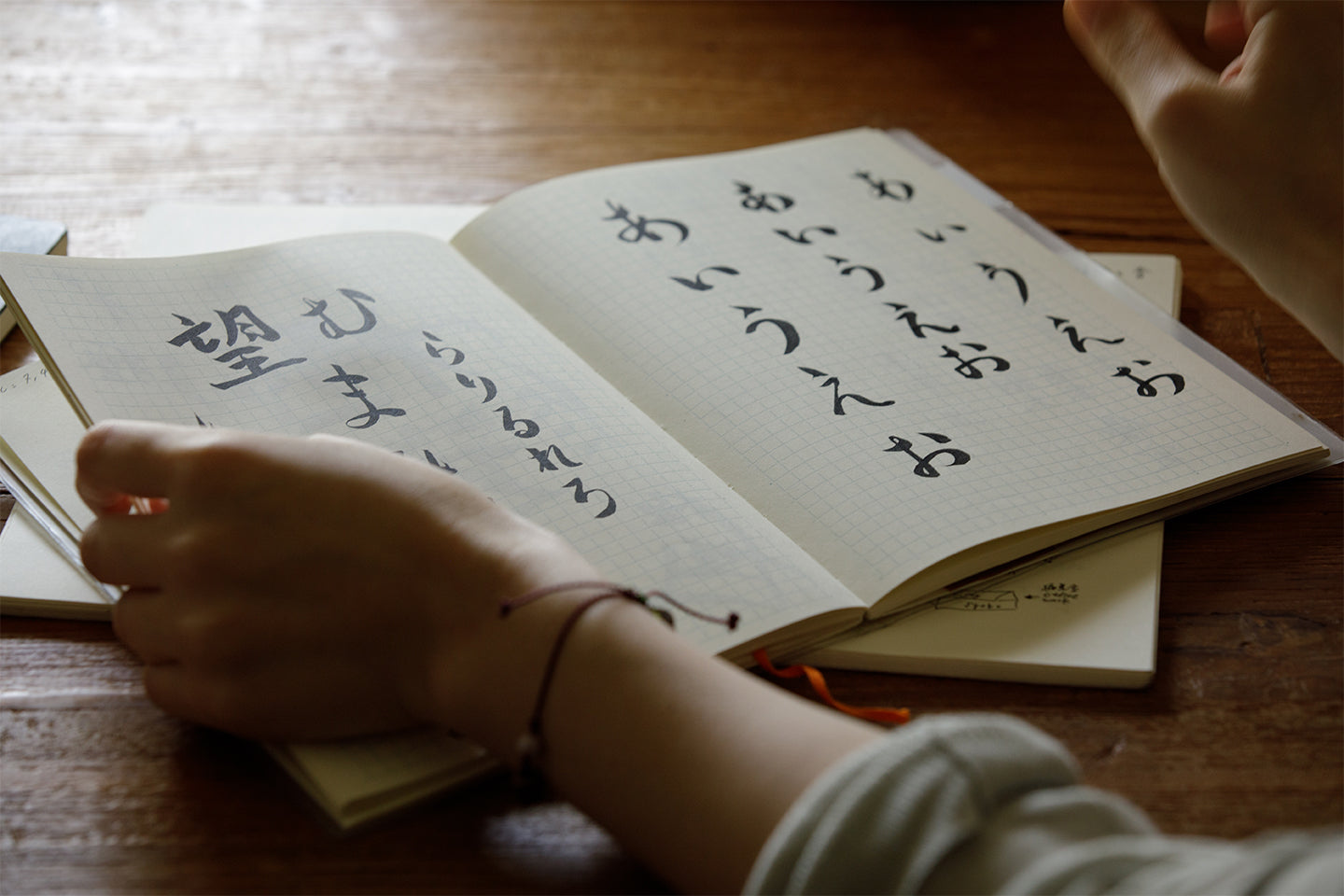
I use them freely—not only for brainstorming ideas for work or sketching something that suddenly comes to me on the train, but also for making up new kanji characters that don’t actually exist or writing a phrase that comes to mind as freely as I would in calligraphy. I also use these pages to jot down ideas in the middle of a conversation, such as when I’m making plans with someone or in a work meeting and suddenly think, “What if we structure it like this?”
Rather than being confined by the format of a planner or schedule, it accepts whatever is in my head. To me, it’s almost like a little book I can always turn to for help.
Finally, could you tell us about any goals you have or things you would like to take on in the future?
Through YouTube and other channels, I have shared the “process” of creating my work—what happens before a piece is fully finished. In doing so, I’ve come to realize that people can warmly embrace unfinished work, too.
That’s why, going forward, I would like to create a book that is neither a photo book, a collection of essays, nor a poetry collection, but something like a “collection of scraps.”
It would be a book filled with fragments of thoughts that might seem insignificant at first glance—ideas that haven’t yet become anything. Rather than having people look at a finished work and simply think, “That’s amazing,” I want someone who picks up the book to feel, “I want to try making something, too,” or “It’s okay to be this free. Maybe I can do something myself.”
For me, the greatest joy would be for someone to finish reading it and think, “Anything is okay.”
I hope to continue sharing my work in free and unexpected forms, without putting too many boundaries around what I create.