Kanako Suzuka

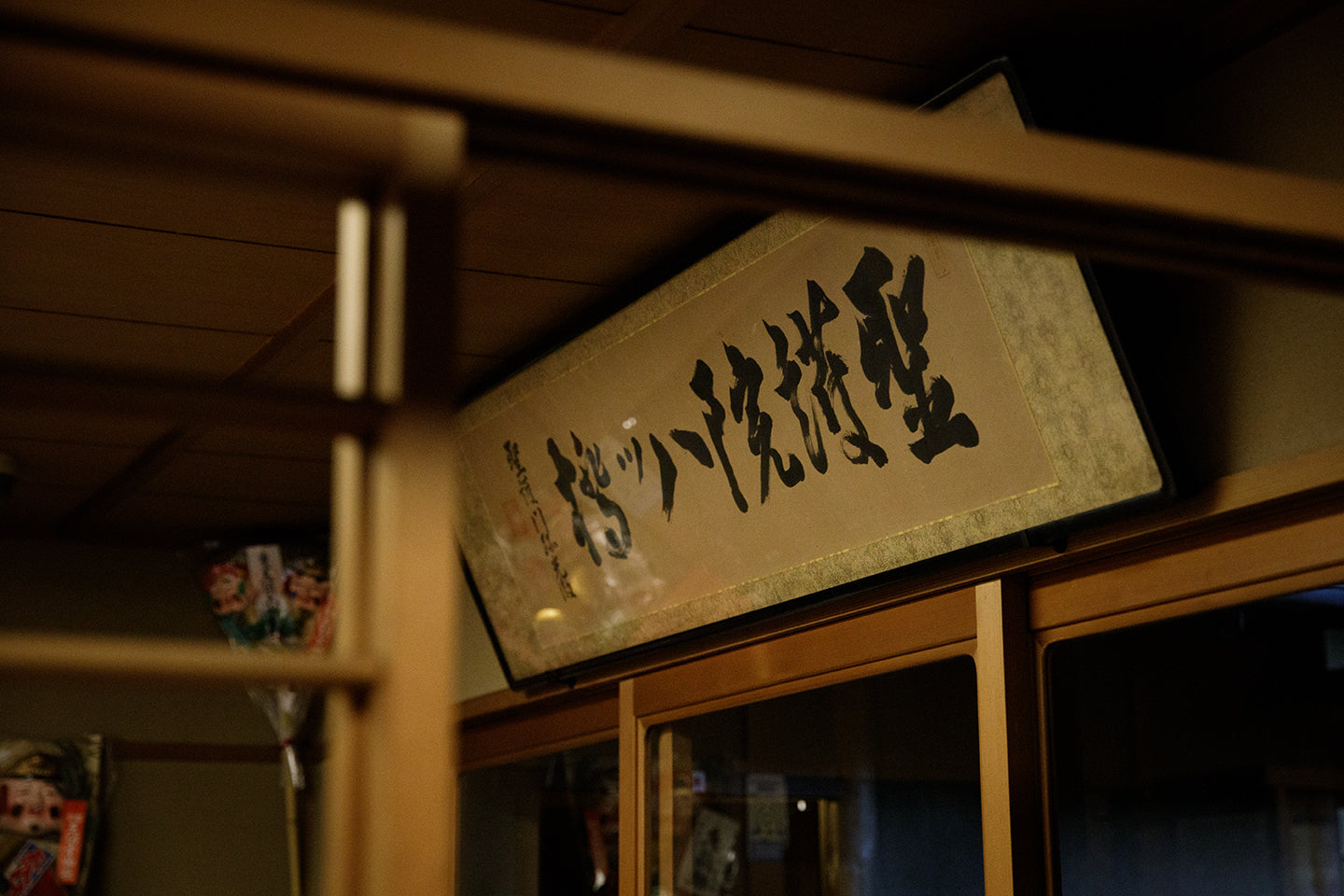
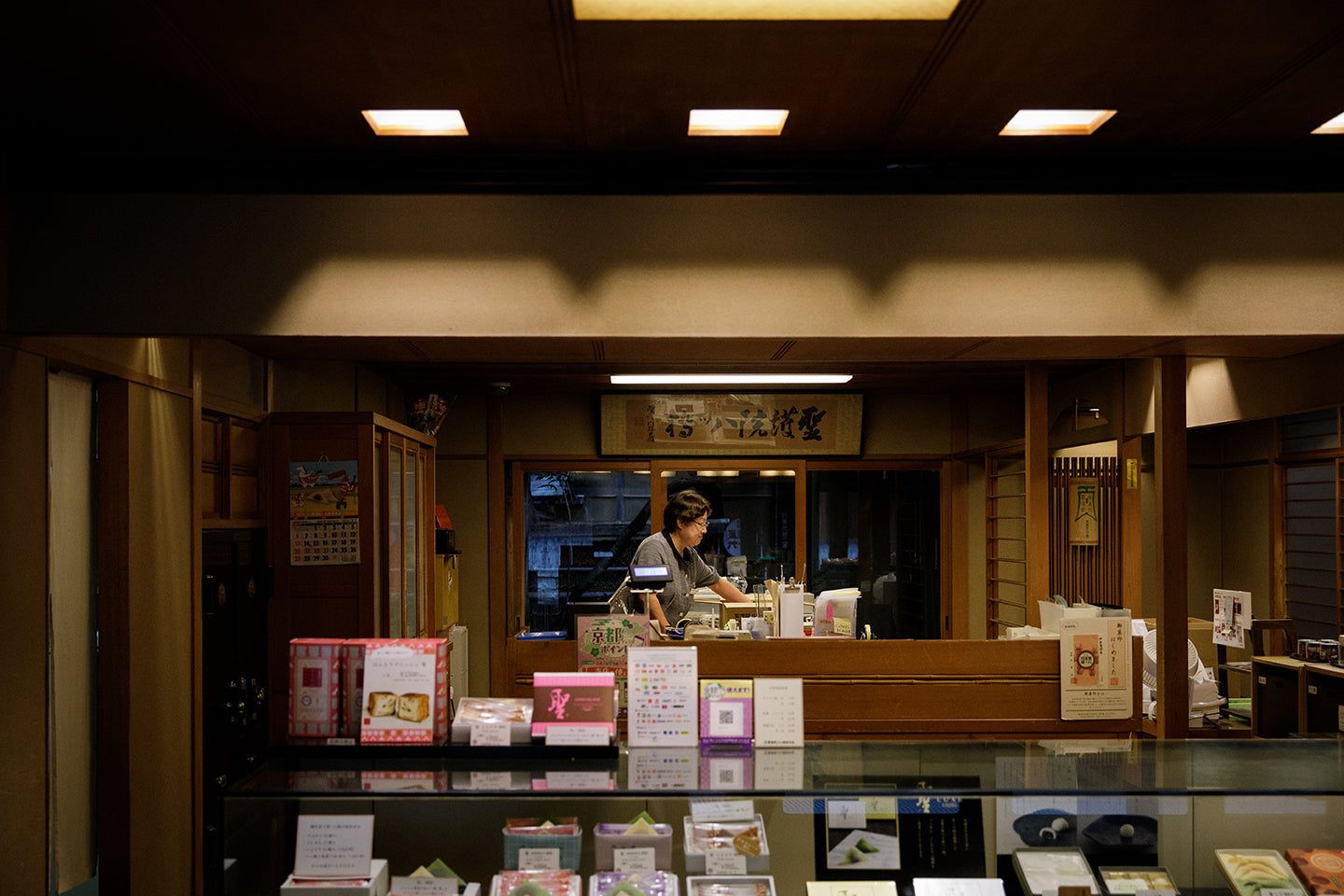
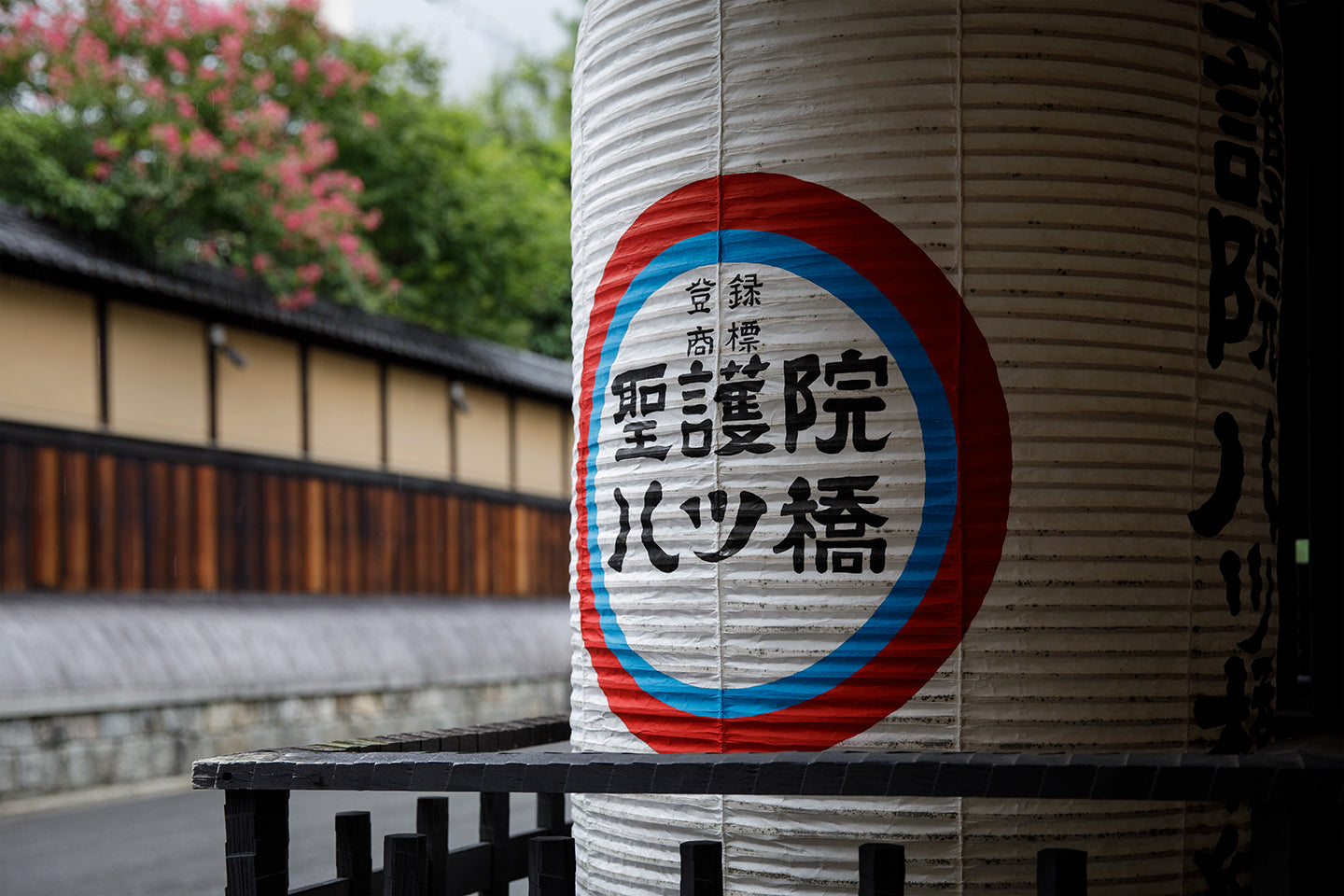
Kanako Suzuka heads Shogoin Yatsuhashi Sohonten, a long-established confectionery with a history of more than 300 years. While preserving its long-held traditions, she continues to explore new possibilities for yatsuhashi through a free-thinking approach, including the launch of nikiniki, a brand of fresh yatsuhashi with a Western-inspired twist. We spoke with her about how she brings together the seemingly opposing ideas of tradition and innovation, and about her relationship with writing and the notebooks that accompany her in daily life.
Could you tell us about your current role and the work you do?
Since becoming president, I have overseen the business as a whole, but ever since joining the company, I have been closely involved in planning, product development, and packaging design.
At times, I feel the weight of our history and the responsibility that comes with being a long-established business. At the same time, that very tradition gives us the strength to take on new challenges. When we launched nikiniki, for example, people in the local community warmly supported us, saying, “You’re starting something new,” precisely because our shop has been part of this area for so long. I feel that having tradition as a foundation of trust gives us the freedom to take new steps forward.
When it comes to creating products that combine classic flavors with new designs, what principles guide your approach?
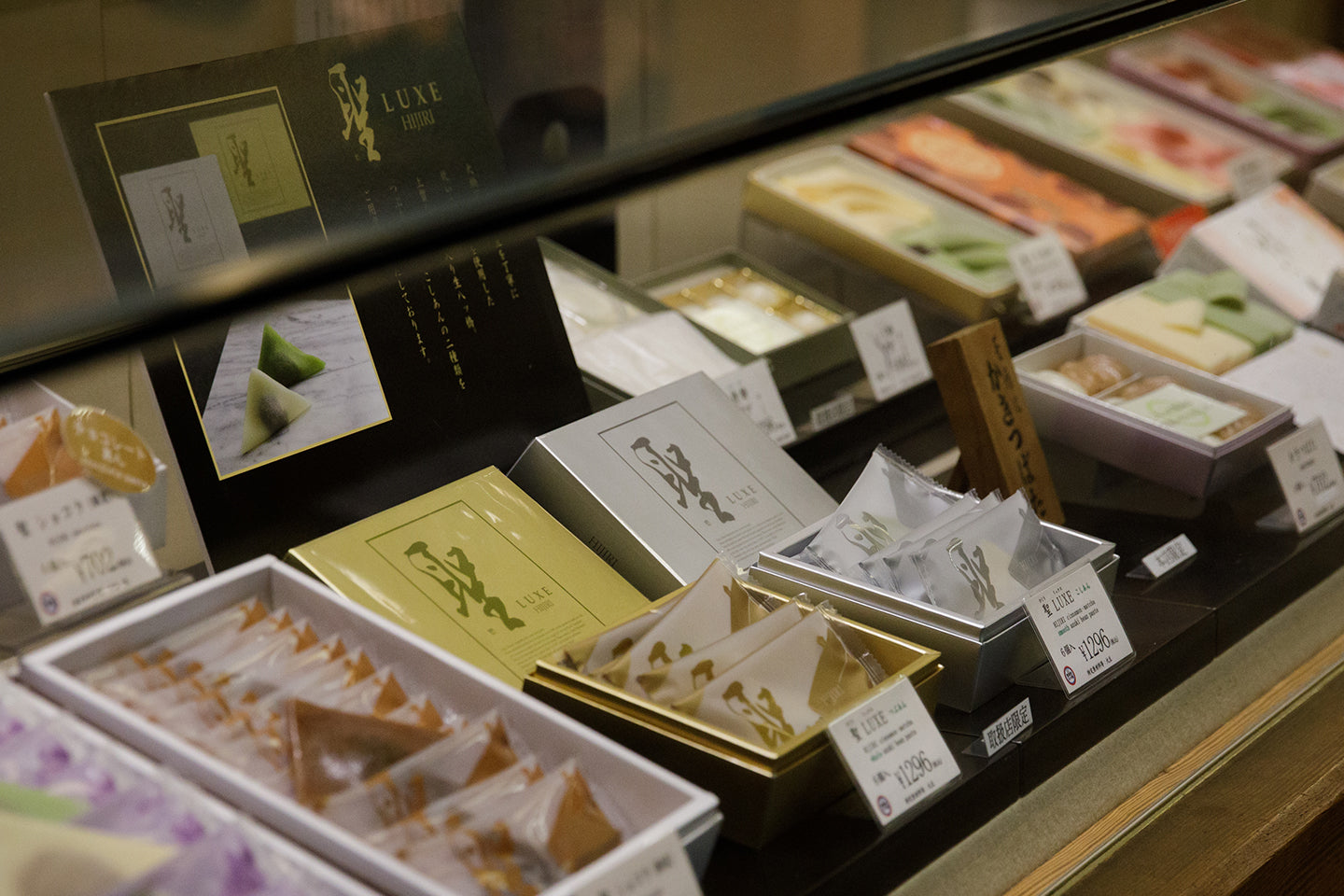
Yatsuhashi is made from a few simple ingredients, including rice flour, cinnamon, and sugar. That simplicity means its flavor can be affected by subtle changes in temperature and humidity, as well as variations in the blend of rice we use. Rather than relying solely on readings from our equipment, I taste our products every day, using my own palate to assess the flavor of the cinnamon and whether they capture the distinctive character of Shogoin.
I don’t believe that preserving tradition means keeping a recipe unchanged. Even as the times and our customers’ tastes evolve, what matters is that when people take that first bite, they think, “Yes, this is the flavor I know,” or “It’s delicious and brings back memories.” To preserve that consistent experience of deliciousness, we continue to make small, often imperceptible adjustments behind the scenes.
When developing new products, I also draw on my own experiences—what I’ve seen and felt over the years. I still remember being taken by my parents to art museums and various places around world when I was a child. Those experiences remain with me, and sometimes they unexpectedly spark an idea or inspire something new.
nikiniki was also born from a desire to create a new way for people to discover yatsuhashi. I thought it would be wonderful to have yatsuhashi in charming shapes that would make even young children exclaim, “Wow!” the moment they saw them. The idea was to spark their interest through the appearance, then let them discover how delicious yatsuhashi can be. I wanted to offer a new way to enjoy this traditional confection.
Whether we’re preserving the familiar flavors of our classic products or taking on the challenge of developing something new, our underlying desire is the same: to help more people discover a love for yatsuhashi. Going forward, I hope to continue sharing its appeal in many different forms while staying true to the flavors that have endured over time.
It seems that yatsuhashi and MD Notebook share a commitment to mastering the essentials.
I think so. Both place great importance on the inherent qualities of their materials. Because the materials themselves are simple, the maker’s skill and intuition become all the more evident in the quality of the finished product.
Collecting data and taking measurements are important, too, but ultimately, I believe what matters is developing the sensitivity to recognize when something feels just a little off. Passing that experience and expertise on to the next generation is what sustains a tradition of craftsmanship that people will continue to value for years to come.
Could you tell us how you first came across MD Notebook?
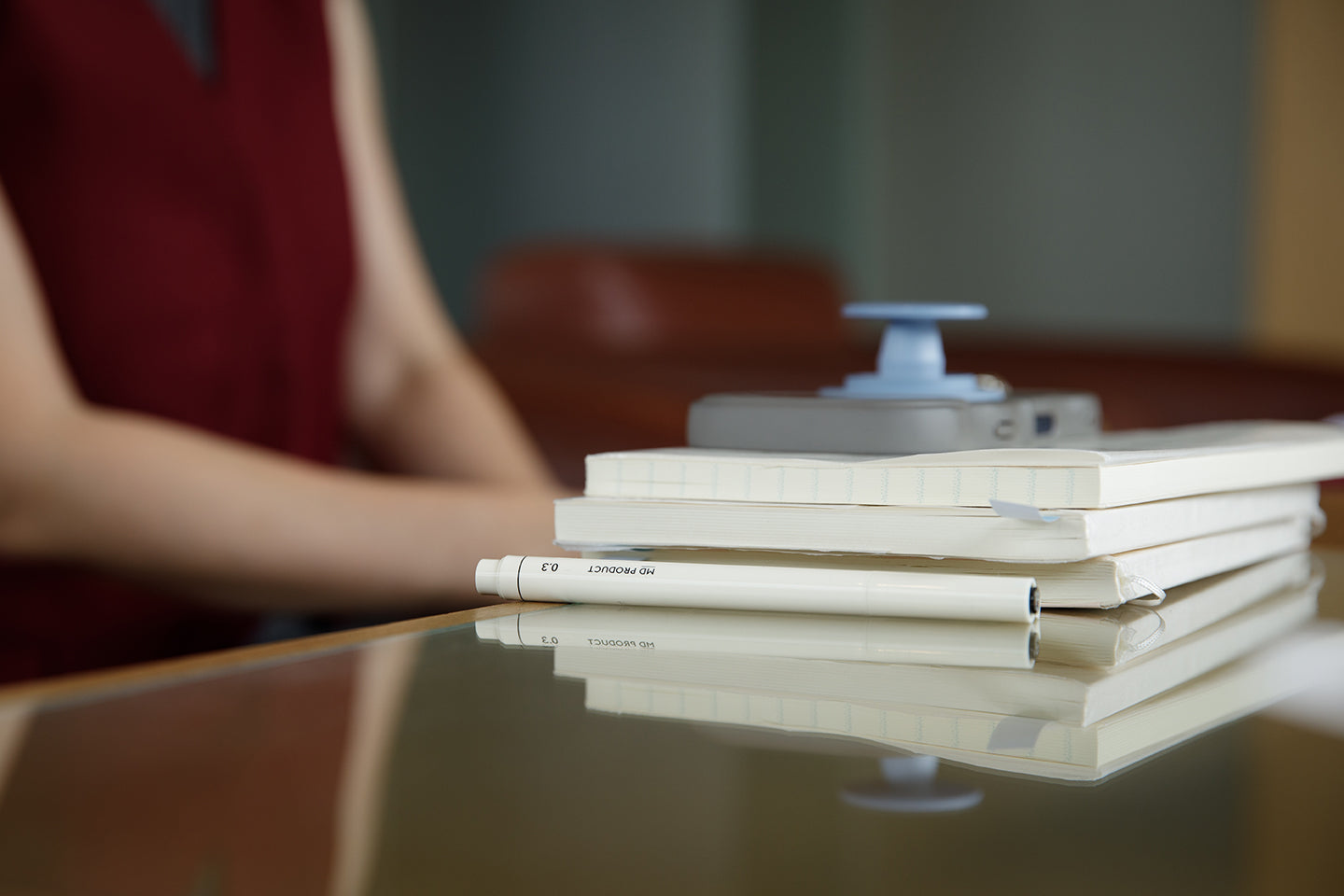
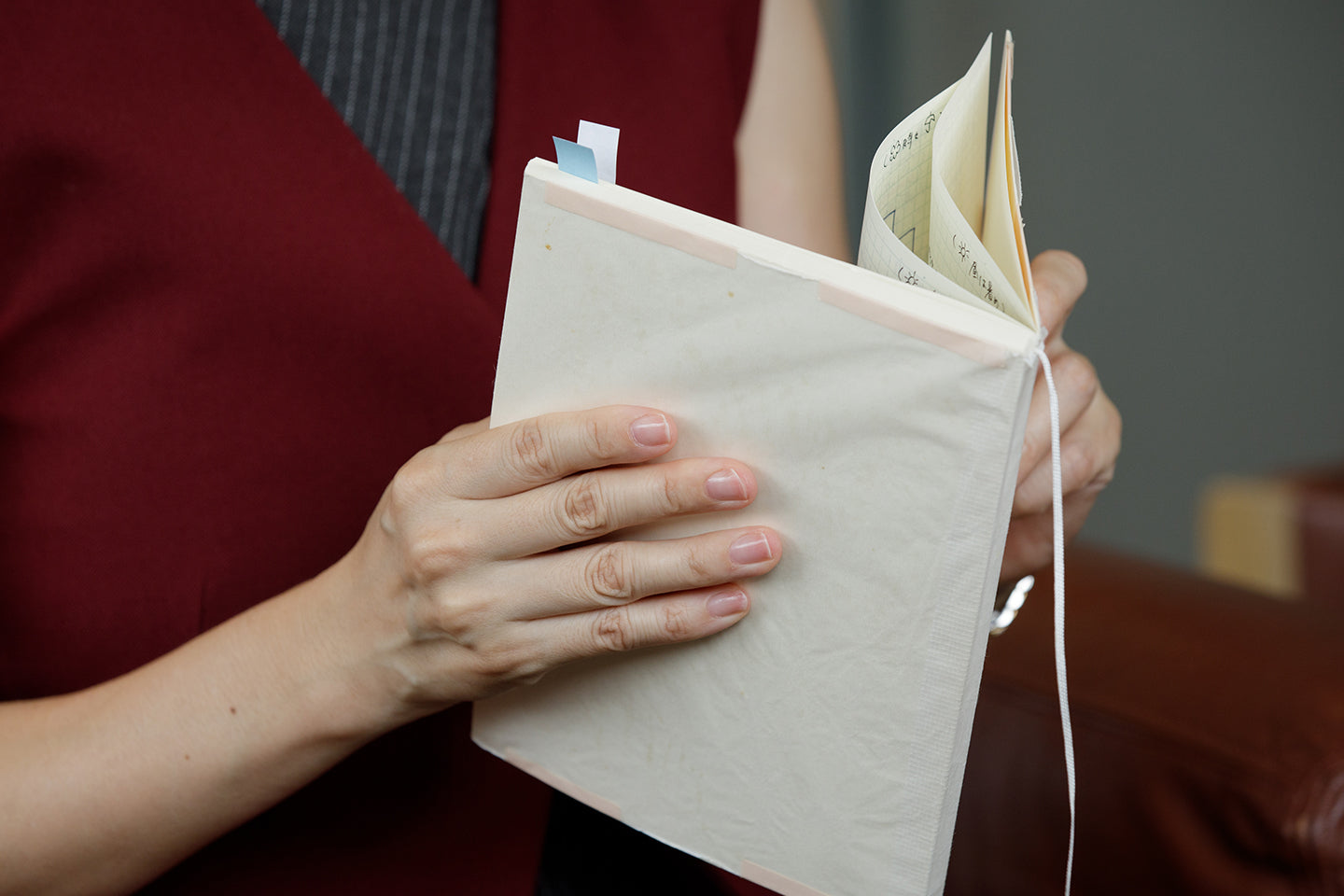
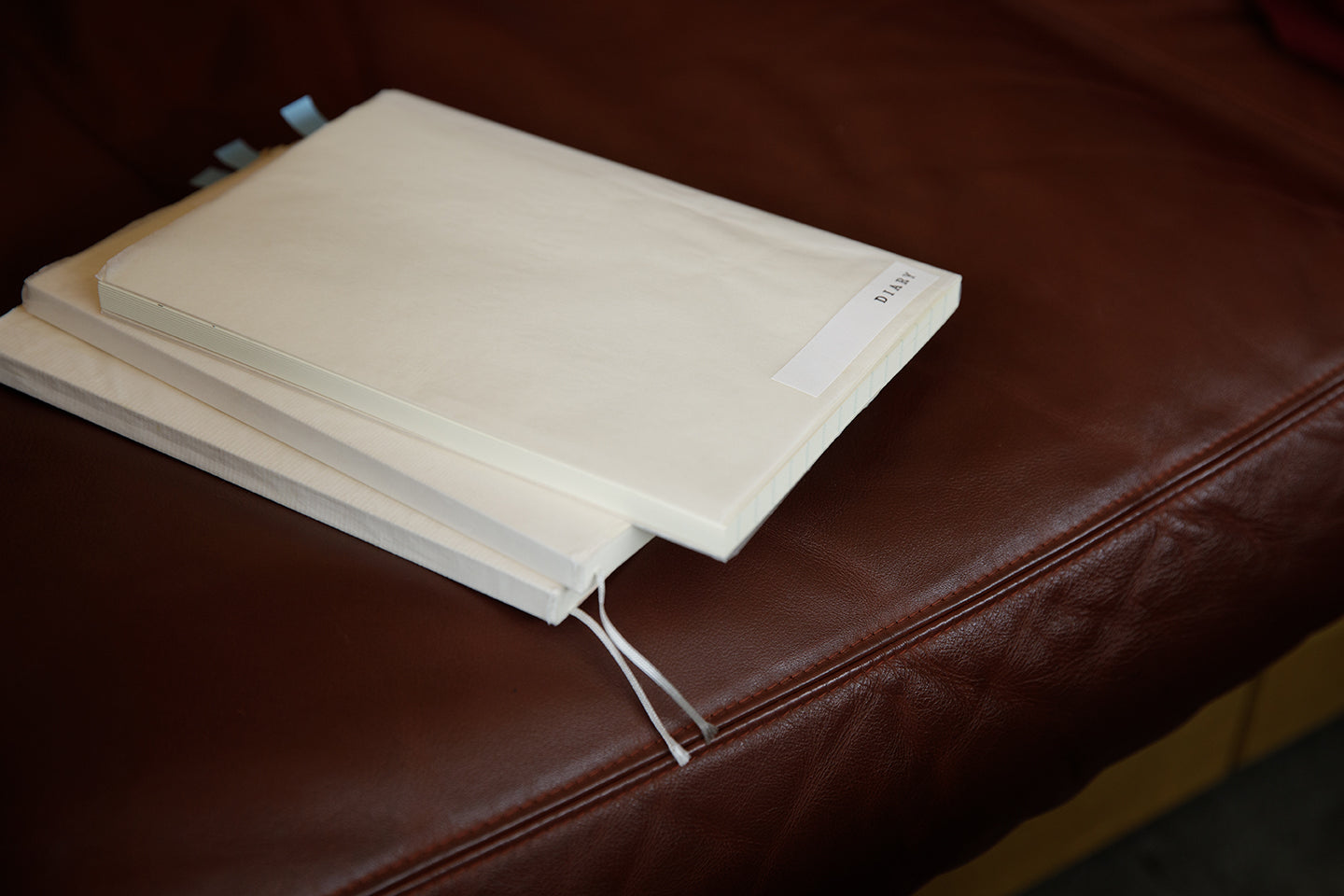
I first discovered MD Notebook when I was pregnant with my daughter. I wanted to keep track of the physical changes I was experiencing during pregnancy and the little things I noticed each day, so I was making notes in Japan’s maternal and child health handbook, a booklet used to record pregnancy and a child’s development. But the spaces for writing were so small—I could only fit about four lines.
At the time, I wanted to keep both work notes and personal records, so I was looking for a notebook where I could capture everything, from my thoughts to the details of everyday life, all in one place. That’s when I came across MD Notebook. I remember thinking, “This is really good!” and started using it right away.
Unlike a planner with dates already printed on the pages, MD Notebook lets you write in the dates yourself, and I found that incredibly freeing. Even when I was too busy to write for a few days, I never felt discouraged by seeing a dated page left blank.
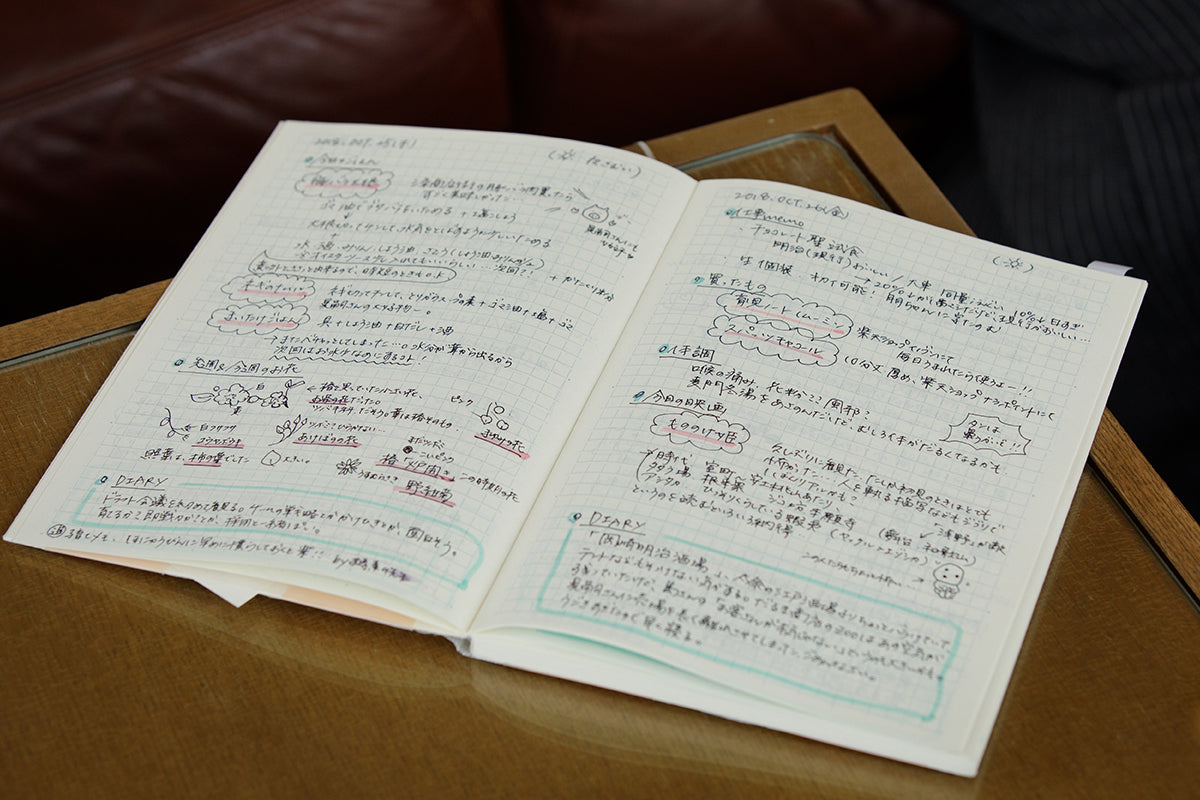
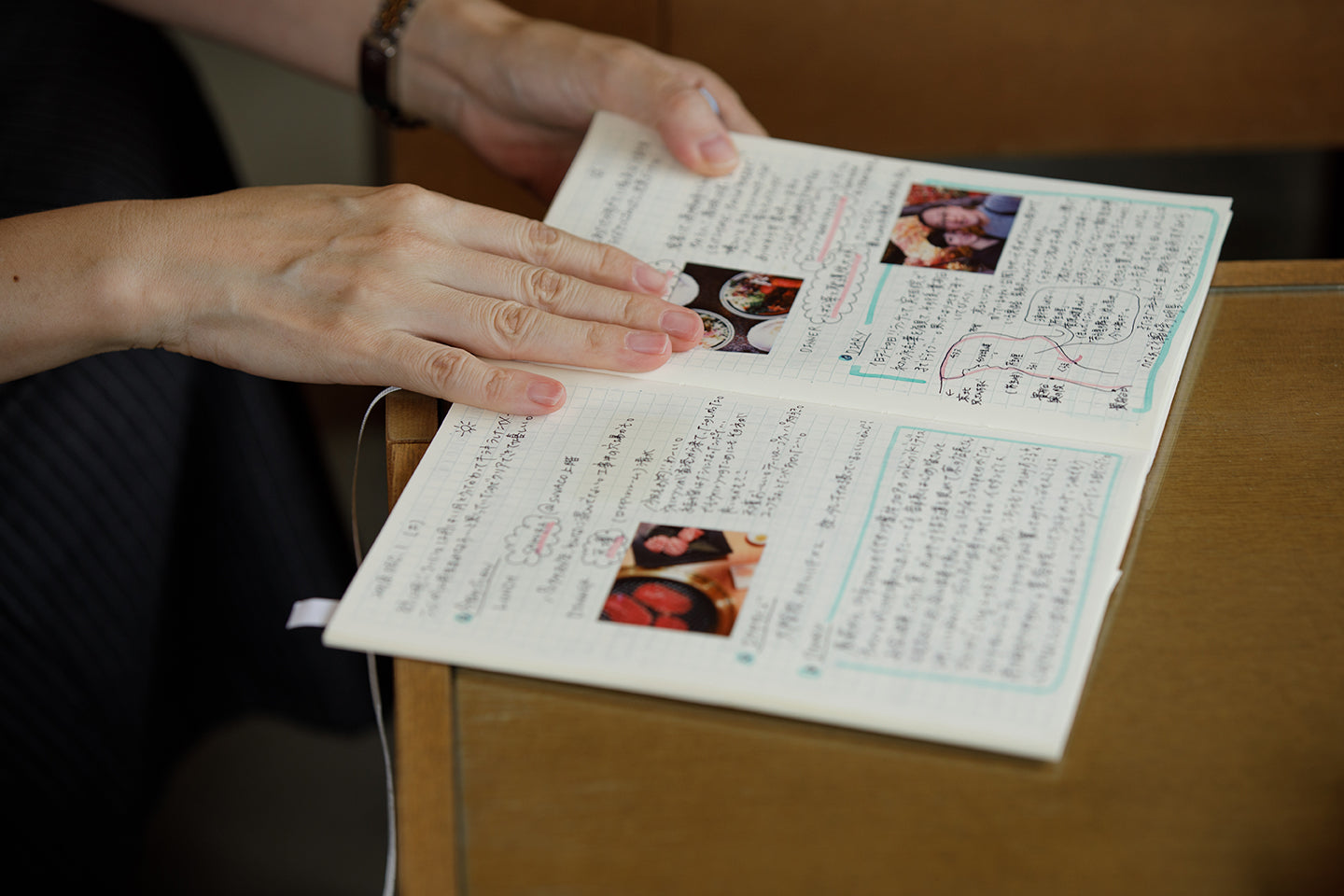
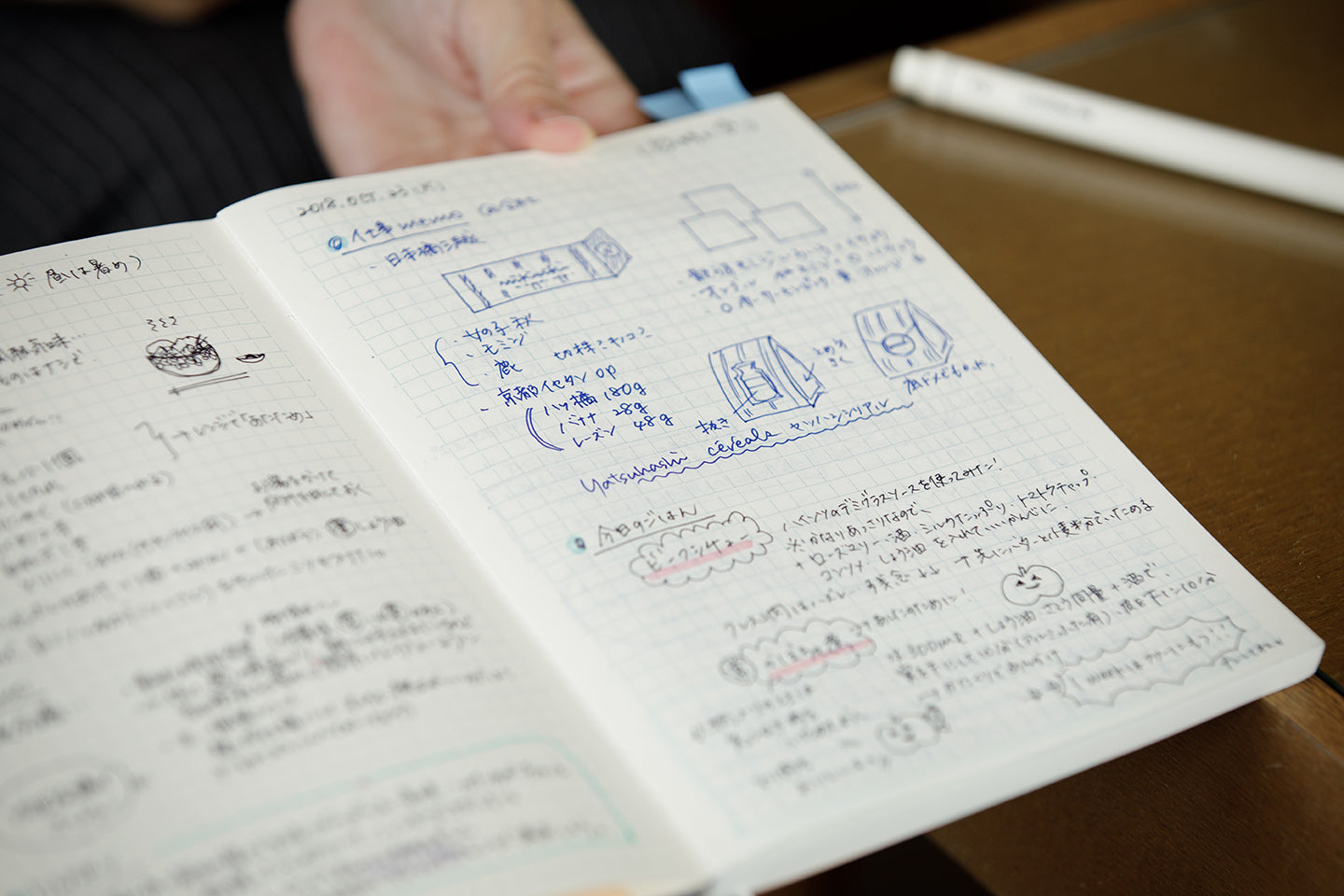
I kept everything together in that one notebook: what I ate each day, little moments from everyday life, ideas for work, and even illustrations and decorations made with markers. I used it to capture all aspects of my life in one place, and continued writing in it right up until my daughter was born.
So you kept both your work notes and personal records together in a single notebook?
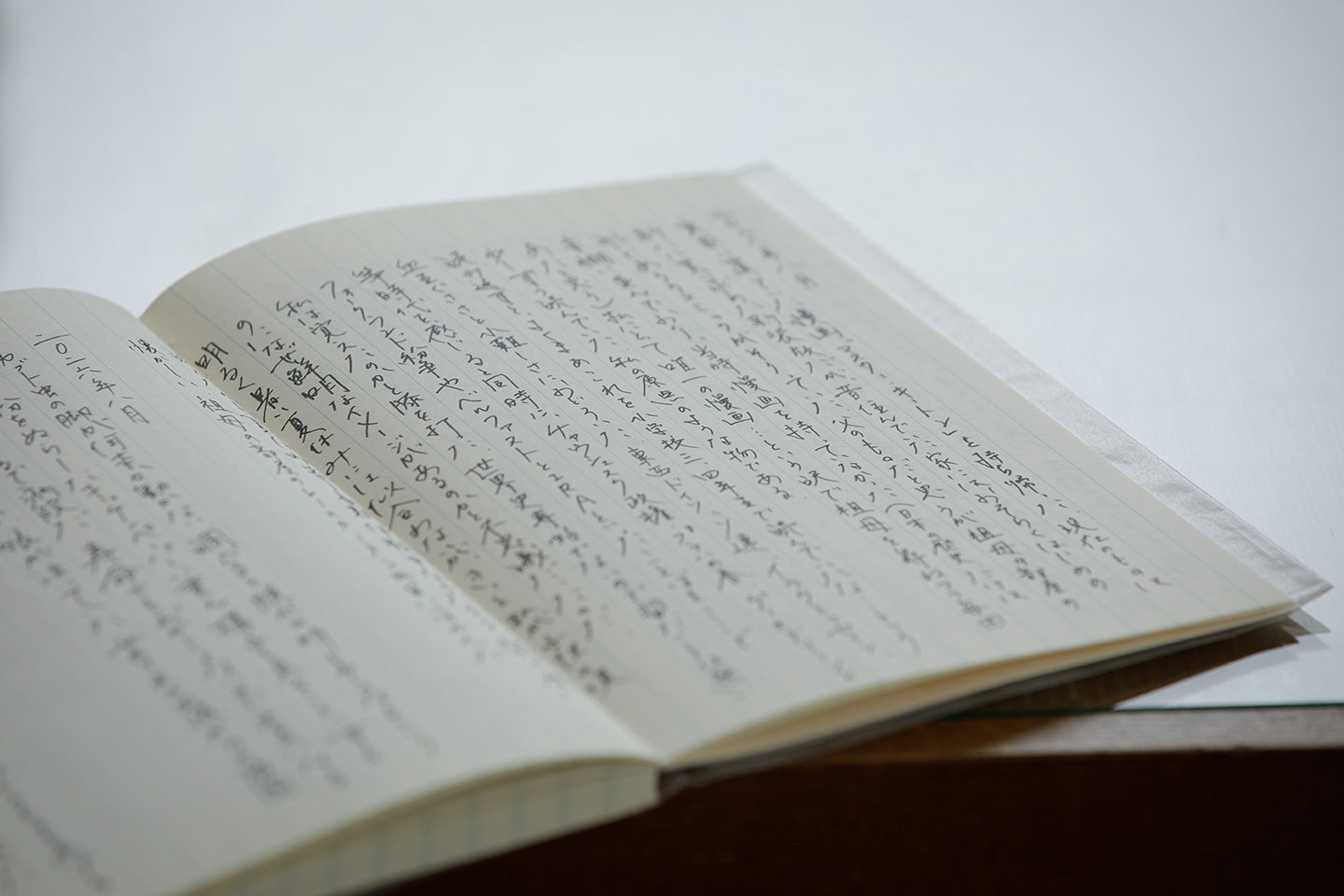
That’s right. Things tend to stay with me much more when I write them by hand than when I type notes on a computer. With digital notes, I often find myself typing something and moving on without ever looking at it again. With a paper notebook, though, I can flip through the pages and return to my past thoughts whenever I want.
I also love the beauty of handwriting in vertical text, as well as the feeling of being able to write quickly and smoothly, without the pen catching on the paper.
When I write something on social media, I find myself thinking about how someone might see it and becoming conscious of all sorts of things. In a notebook, though, I can record my honest, unfiltered feelings about moments with my daughter that day, as well as my innermost thoughts, just as they are.
The quiet time I spend with my notebook at night, after my daughter has fallen asleep—writing in my diary or taking my time reflecting on the day’s events—is precious to me. Of course, there are periods when life gets so busy that I simply can’t write, but I keep it up at my own pace, reminding myself that it’s okay to skip a day if I can't write, and that even a single line is enough on short days.
I use digital tools to manage my schedule and keep track of tasks I must not forget. But I make a clear distinction between the two: things I want to revisit and reflect on later, such as my thoughts and important memories, go into paper notebooks or photobooks.
One of the truly special things about handwriting is having those memories preserved in a tangible form. Someday, I’ll be able to open the notebook with my daughter as she grows up and share those moments with her, saying, “This is what things were like back then.”
Aside from notebooks, are there any stationery items or everyday tools you particularly like?
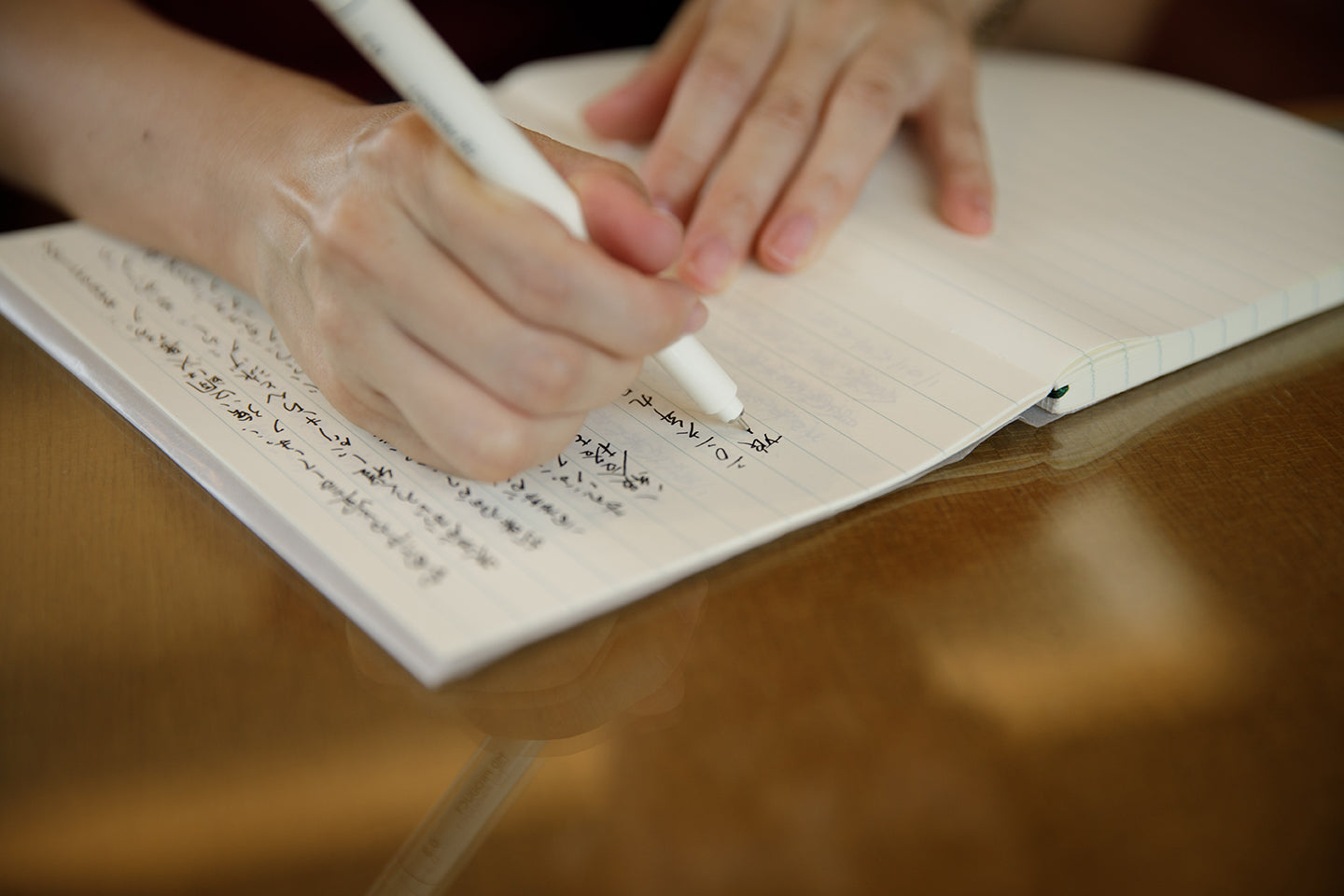
I’m quite particular about pens, especially quick-drying, bleed-resistant water-based pens, which I use regularly.
When sketching design ideas, packaging concepts, or expressions for sweets, I don’t like it when my hand smudges the ink as I move across the page. A pen that delivers a smooth, consistent flow of ink and dries almost instantly on the page is essential to my work.
I also use the same pens at home when drawing or studying with my daughter, using them together to explore ideas and spark creativity.
Lastly, could you tell us about your vision for the future and what you hope to achieve moving forward?
My biggest goal is to pass this company on to the next generation in good shape.
To achieve that, we’re working to introduce more flexible work arrangements that reflect the needs of the times, as well as adopting more environmentally conscious practices, such as finding ways to reuse food scraps generated during production. Just as our predecessors in the Edo period did, I want to bring the philosophy of making the most of every material into the present day, adapting it to modern values.
We’ve also been hearing more and more visitors from overseas say that they enjoy our products. Although there are challenges to overcome, such as shelf-life requirements and ingredient regulations, I hope to share the taste and cultural heritage of yatsuhashi, a traditional Japanese confection, with people around the world while staying true to its original form.
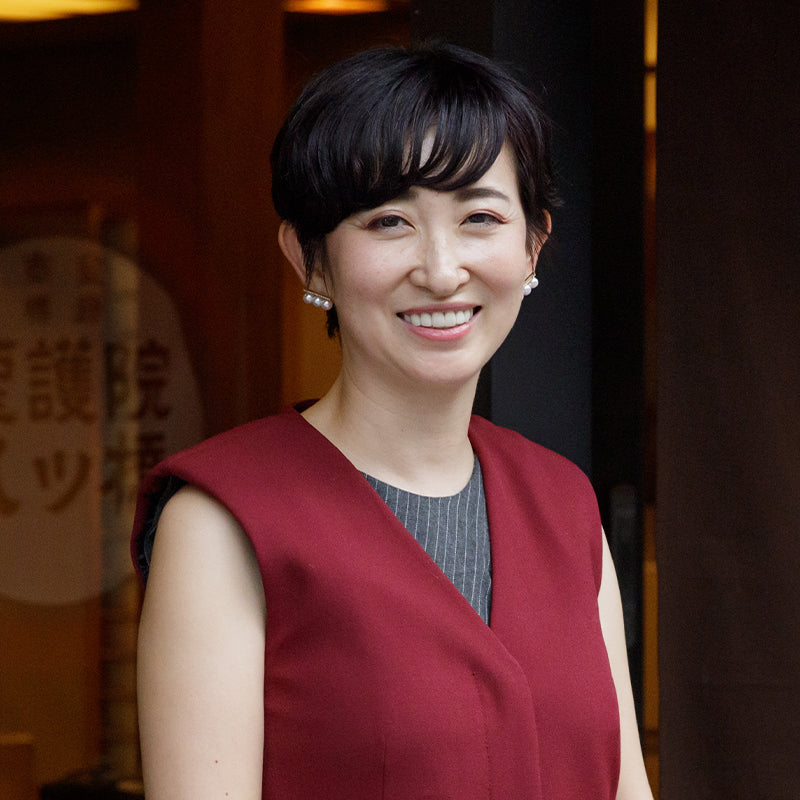
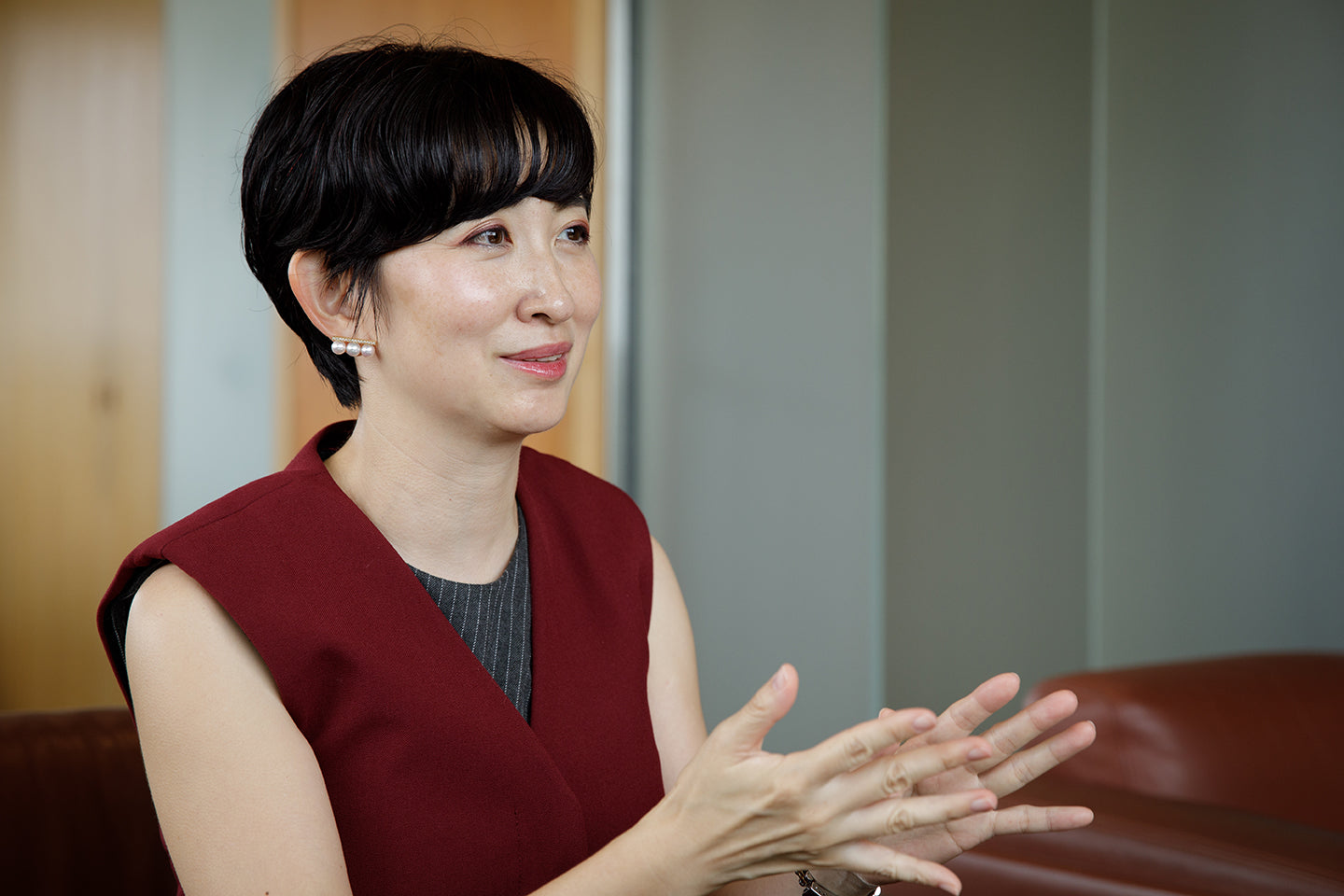
While preserving and passing down the company’s long history and traditional flavors, she strives daily to develop innovative products. In 2011, she launched "nikiniki," a new brand offering yatsuhashi—a traditional Kyoto sweet—in a modern style.